Website concept. Palm & Stone Outdoor Living is a demonstration brand — no active service business is taking requests through this site yet. About this demo

Palm & StoneOutdoor Living

Walkways & garden paths

Walkways and garden paths

The right path makes a front entry feel welcoming, turns a muddy side yard into something useful, and connects the patio, the pool, and the garden.

Request a Consultation
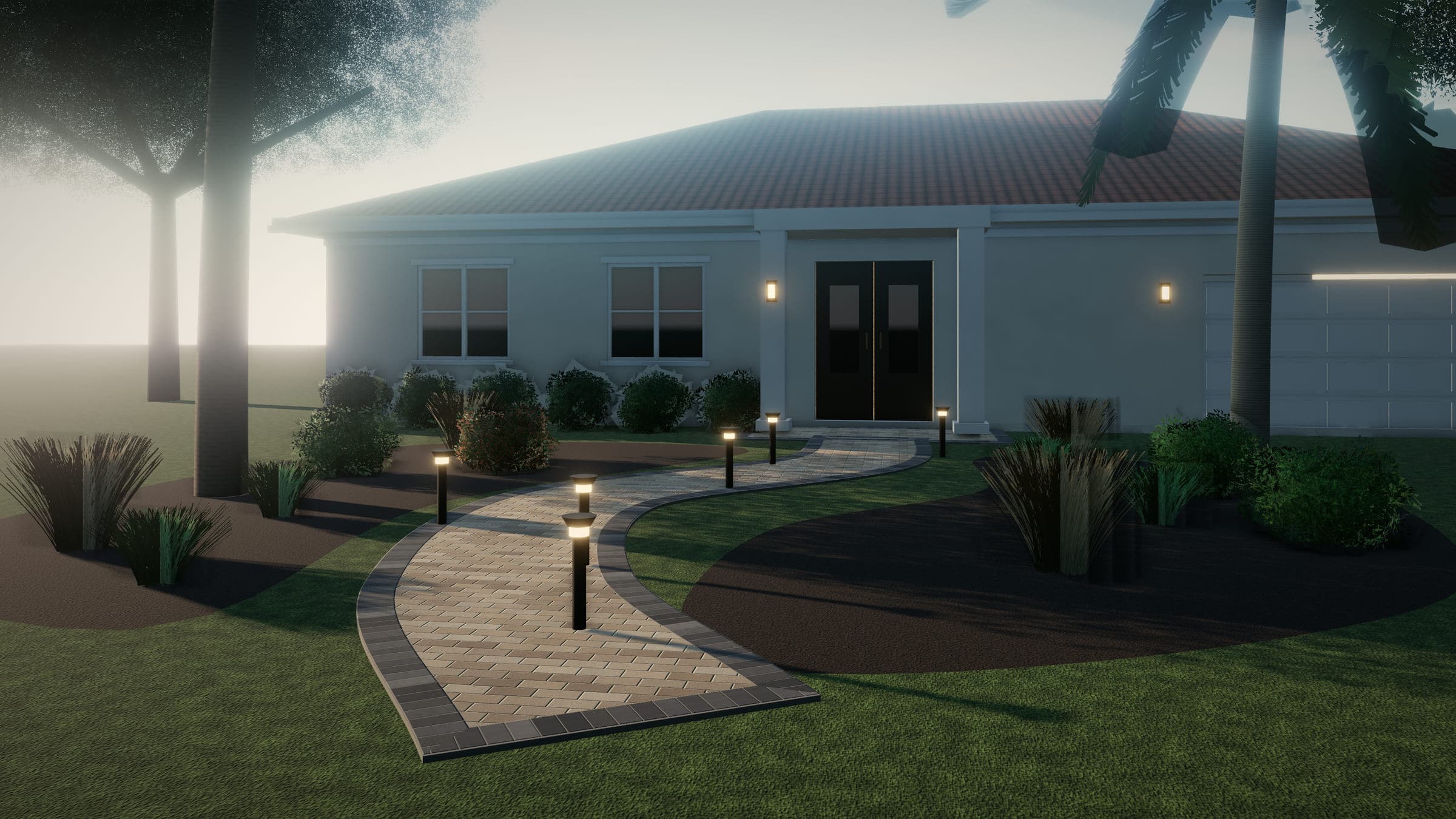
Curving paver walkway with a charcoal border winding through planted beds and low path lights to a front entry.Illustrative rendering

At a glance

A good fit if…

  • Your front walk is narrow, cracked, or doesn't match a new driveway
  • A side yard turns to mud or sand every rainy season
  • You want a path through the garden, to a gate, or out to a patio or pool

What the work usually includes

  • Route planning, widths, and material selection
  • Removal of old walks, sod, or stone as scoped
  • Grading, base, and edge restraint suited to the path
  • Pavers, slabs, or stepping pads with borders or gravel infill
  • Coordination of lighting conduit and sprinkler adjustments

Not included or handled separately

  • Hardwired lighting installation by others (a licensed electrician)
  • Structural retaining walls that require engineering
  • Removal of protected trees

Paths people actually use

People take the shortest comfortable route. A good walkway follows that route instead of fighting it — from the driveway to the front door, from the patio to the pool, from the back gate to the garden. When a path ignores how people walk, they cut across the lawn and wear a new one.

Types of walkways

  • Front entry walks set the tone for the house. They often run from the driveway to a landing at the front door, using the same pavers as the driveway or a complementary border.
  • Side-yard paths handle trash-can trips, pool equipment access, and gate traffic. In many Central Florida side yards, a simple path with good drainage solves a sandy or muddy problem.
  • Garden paths can curve, narrow, and widen to slow people down and show off planting.
  • Stepping stones — large pavers or slabs set in gravel or lawn — suit occasional-use routes and a lighter budget.
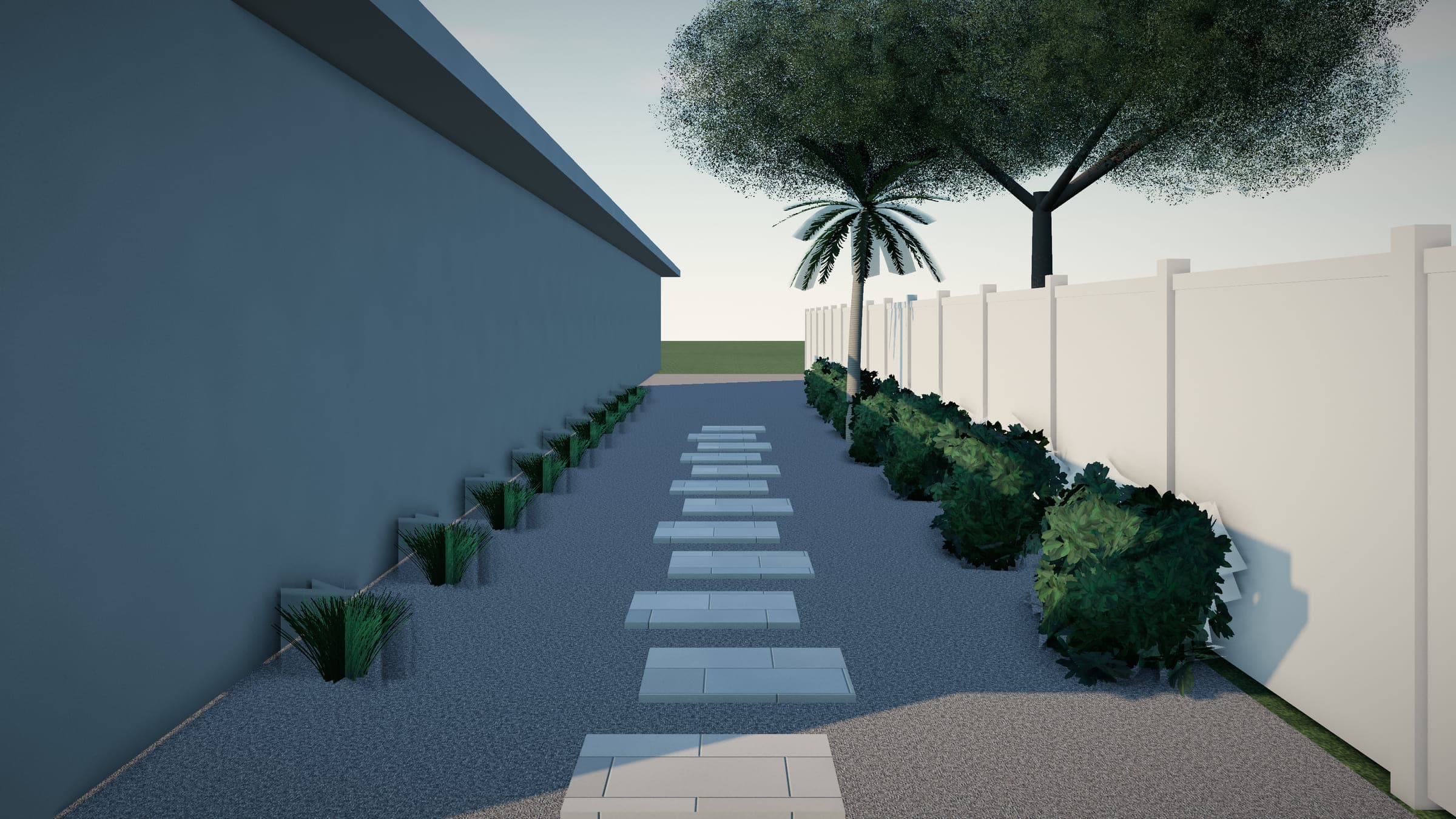
Side-yard path of large pale concrete stepping pads set in gray gravel between a house wall and a white fence.Illustrative rendering
Illustrative rendering of stepping pads in a side yard — illustrative rendering, not a completed project.

Width, steps, and comfort

Main entry walks are often planned around four to five feet wide so two people can walk side by side; secondary paths can be narrower. Curves should be gentle enough to walk naturally. Where a path changes level, steps need consistent riser heights, and depending on the number of steps and the jurisdiction, code items such as handrails may apply.

A landing at the front door — deeper than the walk is wide — gives people room to stand while the door opens. It's one of the details that makes an entry feel generous.

Materials and edges

Walkways can use the same concrete pavers as a driveway or patio, larger slab pavers for a modern look, clay-look pavers for a traditional one, or natural flagstone. Whatever the surface, the edges need restraint: pavers without it gradually spread, and gravel without an edge migrates into the lawn.

If your street or neighborhood has historic brick — Orlando and Winter Park both have brick streets in places — clay or clay-look pavers can echo that character at the front walk.

Drainage and grade

A walkway shouldn't become a dam. Paths across a slope need to let water pass, sometimes with a slight cross slope or a small drain. Side yards between houses often carry water from roofs and neighbors; a path there should be planned with that flow in mind. The drainage guide covers the questions to settle first.

Lighting and irrigation

Paths are the easiest place to add lighting, and the best time to run conduit is before pavers go down. Sprinkler heads near a new walk usually need to be moved or adjusted so water lands on plants instead of pavers — which also helps prevent the orange staining that iron-rich irrigation water can leave.

What affects the cost

  • Length, width, and the number of curves and cuts
  • Removing old concrete walks or stone
  • Steps, landings, and grade changes
  • Material choice and borders
  • Drainage crossings and sprinkler work
  • Working around trees and existing landscaping

Next step

Walk the route you want and take a few photos. If you're also redoing the driveway or patio, plan them together so materials, heights, and drainage line up — then request a consultation.
Material studies

Surfaces to consider

Compare materials →
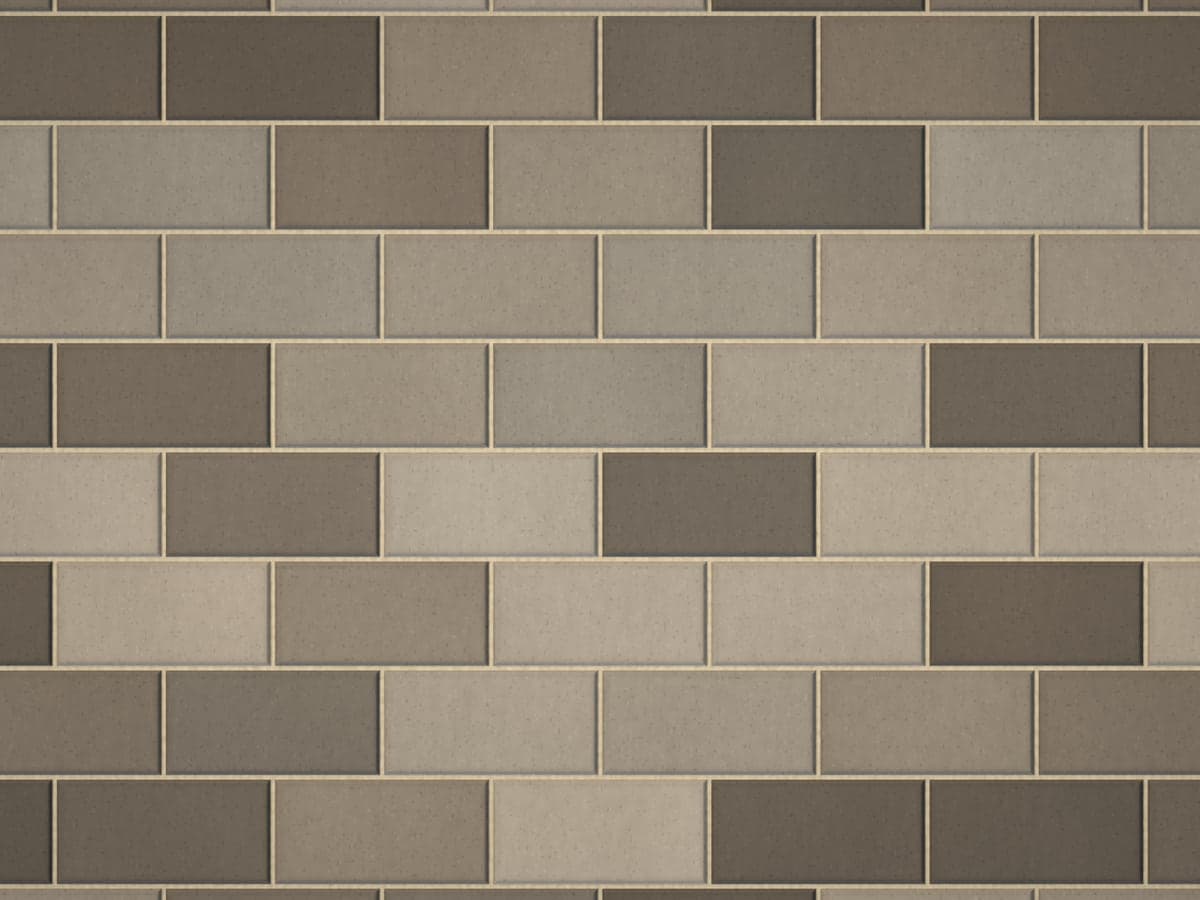
  • Charcoal and gray concrete pavers laid in a running-bond pattern.

    Charcoal and gray concrete pavers laid in a running-bond pattern.

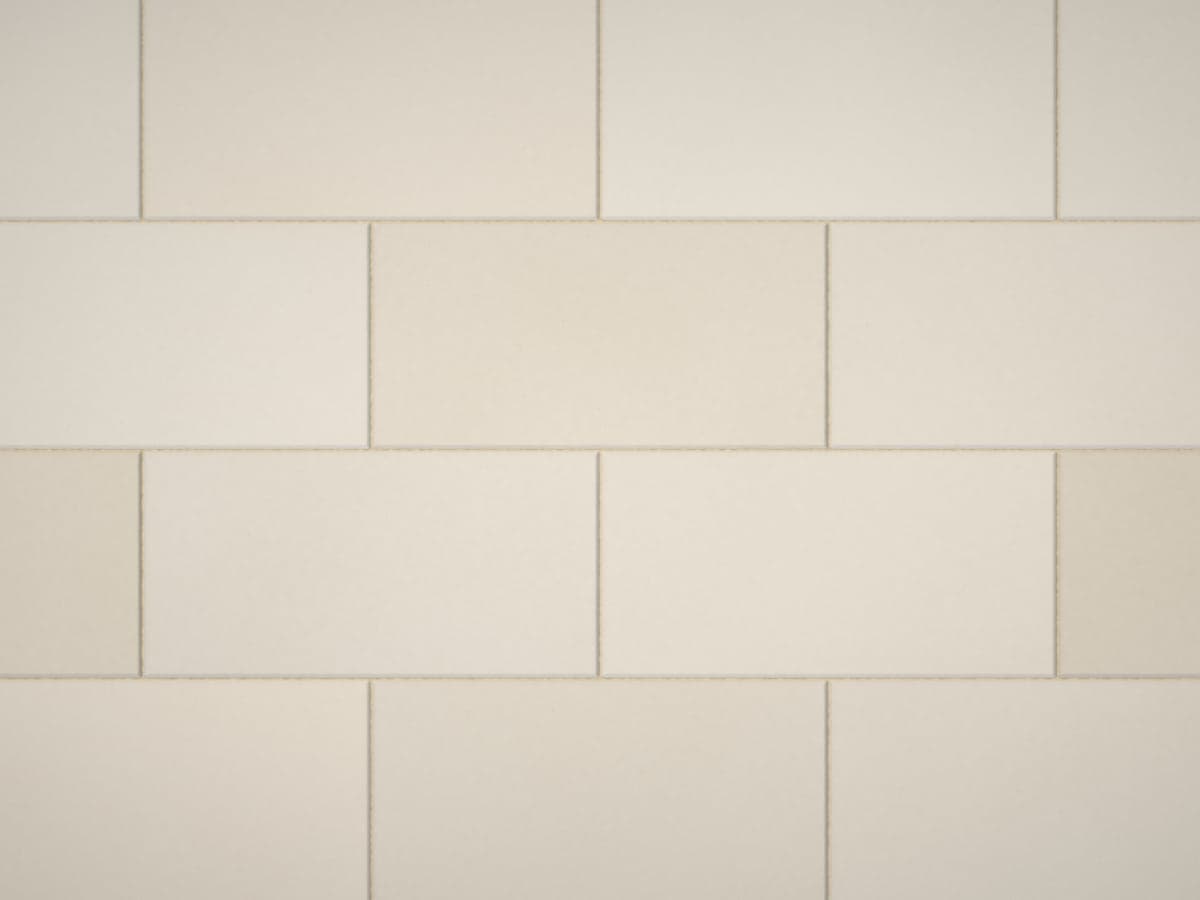
  • Smooth ivory large-format concrete slab pavers with narrow joints.

    Smooth ivory large-format concrete slab pavers with narrow joints.

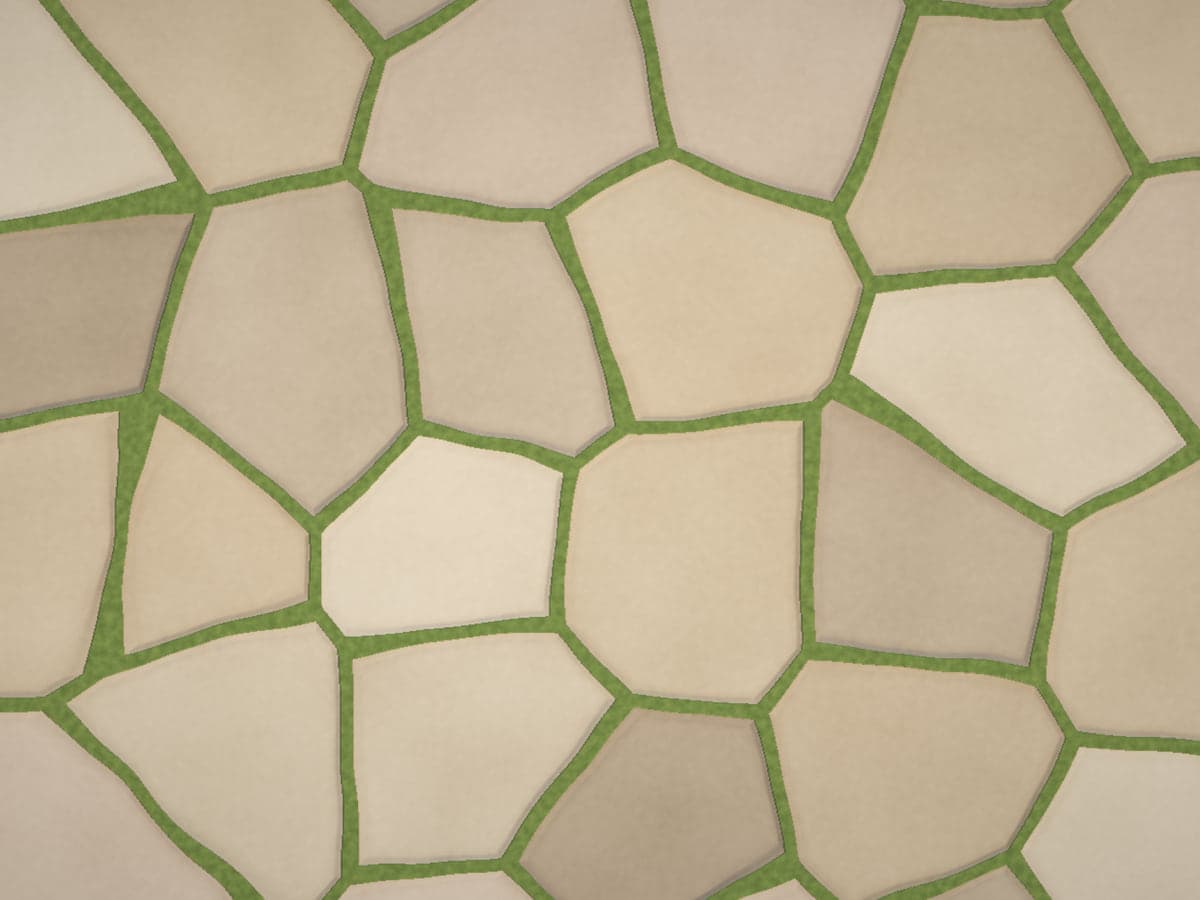
  • Irregular flagstone pieces separated by grass-filled joints.

    Irregular flagstone pieces separated by grass-filled joints.

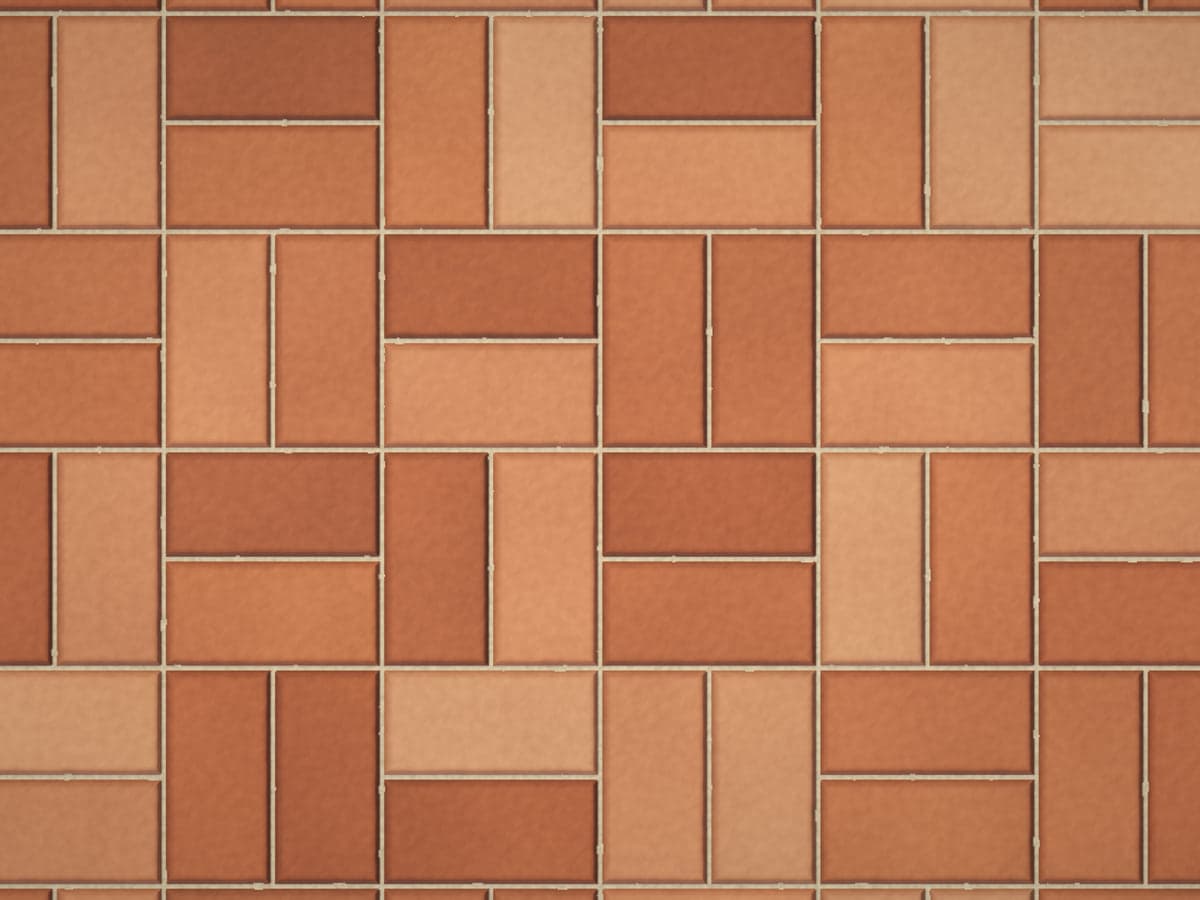
  • Red clay pavers laid in a basketweave pattern.

    Red clay pavers laid in a basketweave pattern.

Material studies are approximate. Always choose from physical samples.

Questions

Walkways: common questions

More FAQs →

How wide should a walkway be?

Many designers plan main entry walks around four to five feet wide so two people can walk side by side comfortably. Secondary paths can be narrower — often about three feet — and stepping stones work for occasional use. The right width also depends on the scale of the house and the space available.

Can a path go near tree roots?

Cutting major roots can harm a tree and, in some cities, requires approval. Paths can often be routed around root zones or built with methods that disturb less soil. Check your city's tree rules before any work near large trees.

Stepping stones in grass or in gravel?

Stepping pads in gravel stay tidier and drain well but need an edge to keep the gravel in place. Pads set in lawn look softer but need trimming around each one, and the grass between pads often wears thin with heavy use.

Should I add path lights?

Lighting makes paths safer and more inviting after dark. Even if you add fixtures later, it's worth laying conduit under the path during construction. Low-voltage systems and hardwired circuits should follow the manufacturer's instructions and local codes, with a licensed electrician for any line-voltage work.

Keep planning

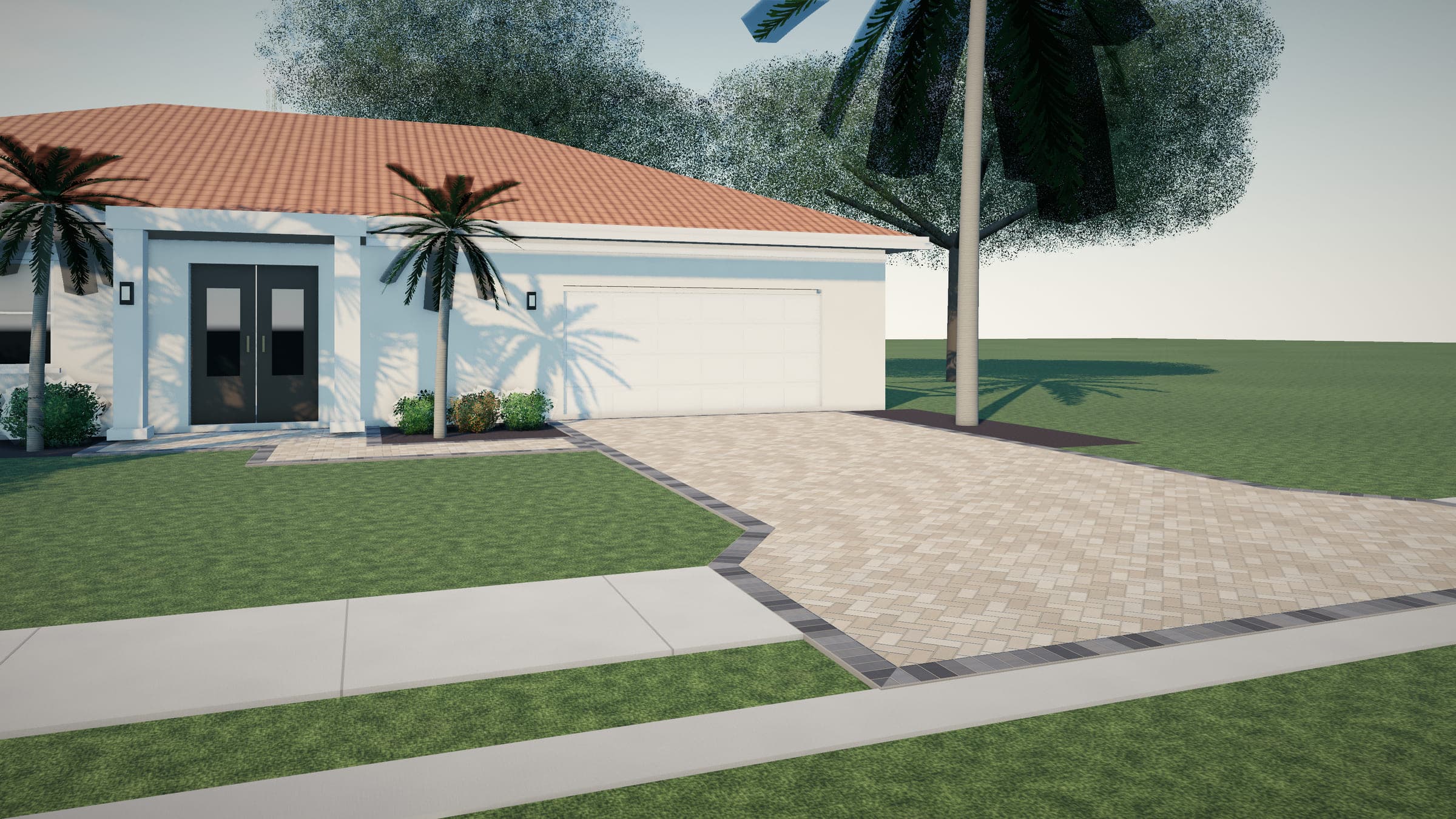
  • Front yard with a tan herringbone paver driveway, a charcoal border, and a matching front walk leading to a double entry door.Illustrative rendering

    Illustrative concept

    Driveway and front-walk redesign

    How a herringbone driveway, a border, and a wider front walk and landing could work together from the garage to the curb.

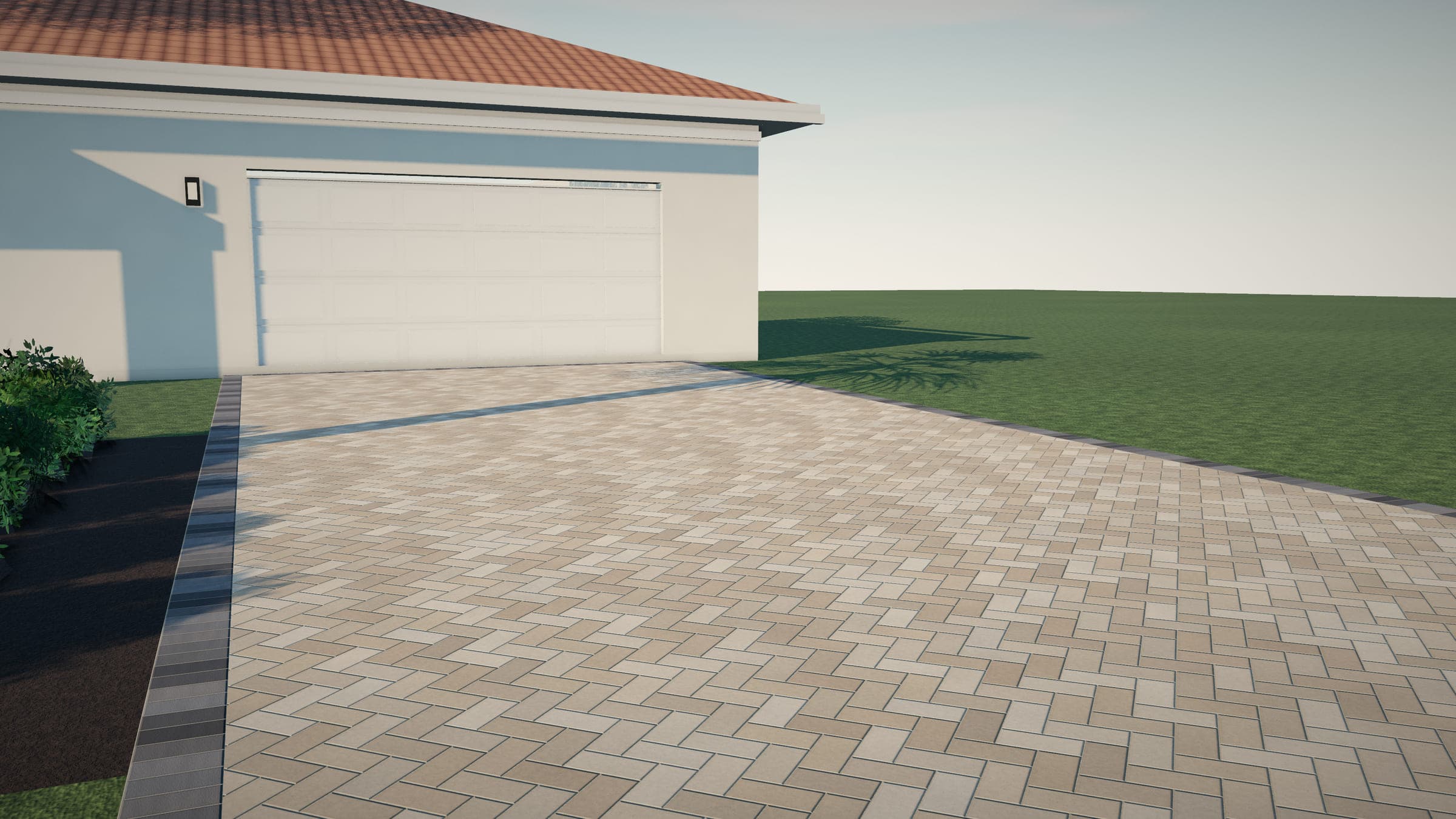
  • View up a 45-degree herringbone paver driveway with a charcoal soldier-course border toward a two-car garage.Illustrative rendering

    Service

    Paver driveways

    New paver driveways and driveway replacements, including borders, the apron, and a matching front walk.

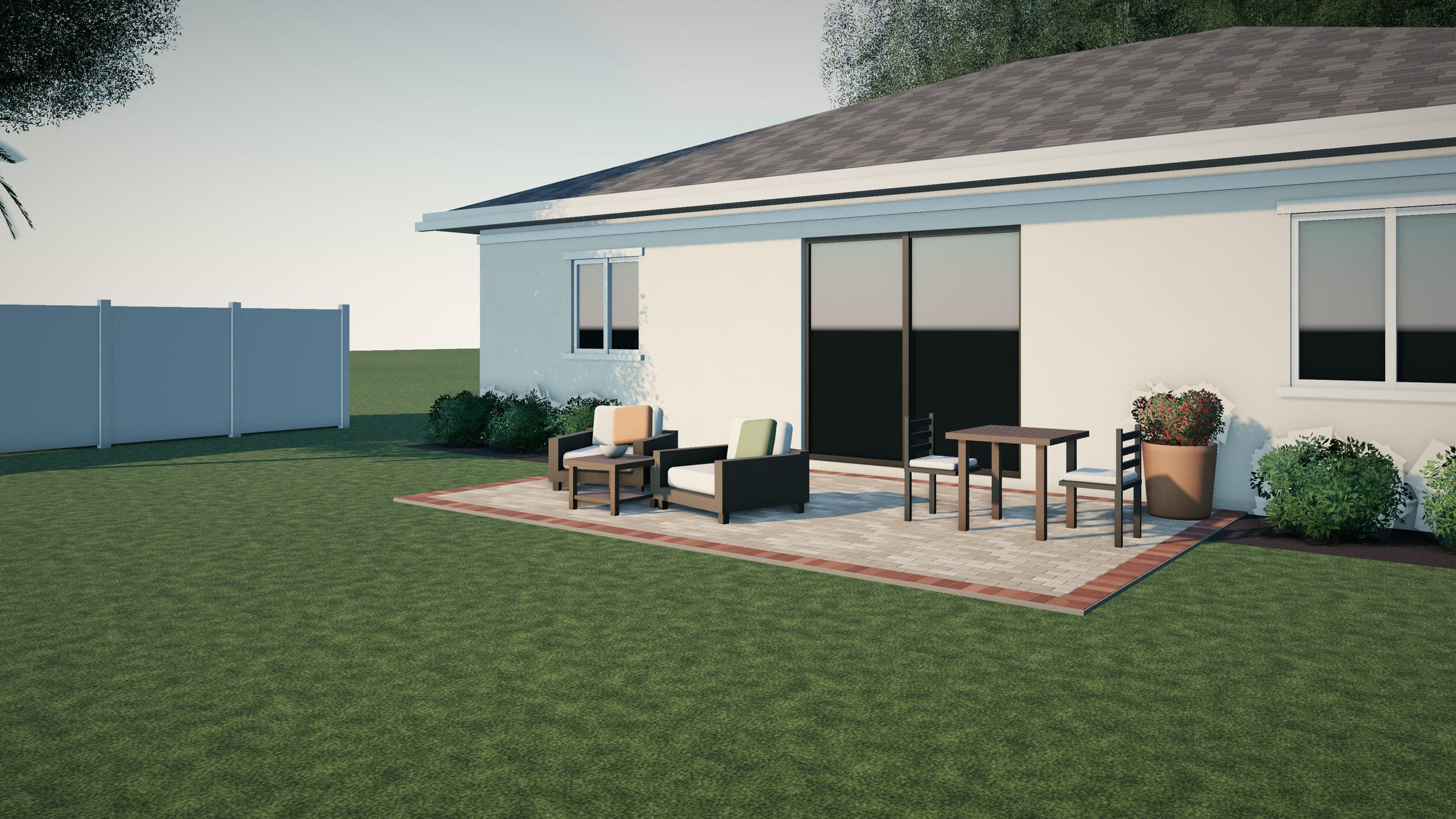
  • Modest paver patio with a terracotta border outside a sliding door, with two lounge chairs, a small bistro table, and a white vinyl privacy fence.Illustrative rendering

    Service

    Paver patios & outdoor seating areas

    New patios, patio extensions, and seating areas — sized for how you'll use them and built on a base that drains.

Request a consultation

Plan your walkways project

Share a few details and we’ll follow up to talk through your space, your goals, and the next step. Only four fields are required.

  • A conversation first — no obligation and no pressure.
  • Help with materials, layout, drainage, and what fits your budget range.
  • A written scope you can compare with other proposals.

Planning more than one? Pick the main one and mention the rest in notes.

Demo mode: nothing you enter is sent or stored. We use these details only to respond to your request. Submitting doesn’t book a visit — we’ll contact you to talk it through. See our privacy notice.

Website concept

Calling isn’t connected yet

Palm & Stone Outdoor Living is a demonstration brand. This site is a working concept, and no active service business is taking requests through it yet — so this button doesn’t contact anyone.

When the site goes live with real contact details, this button will call the business.