The short version
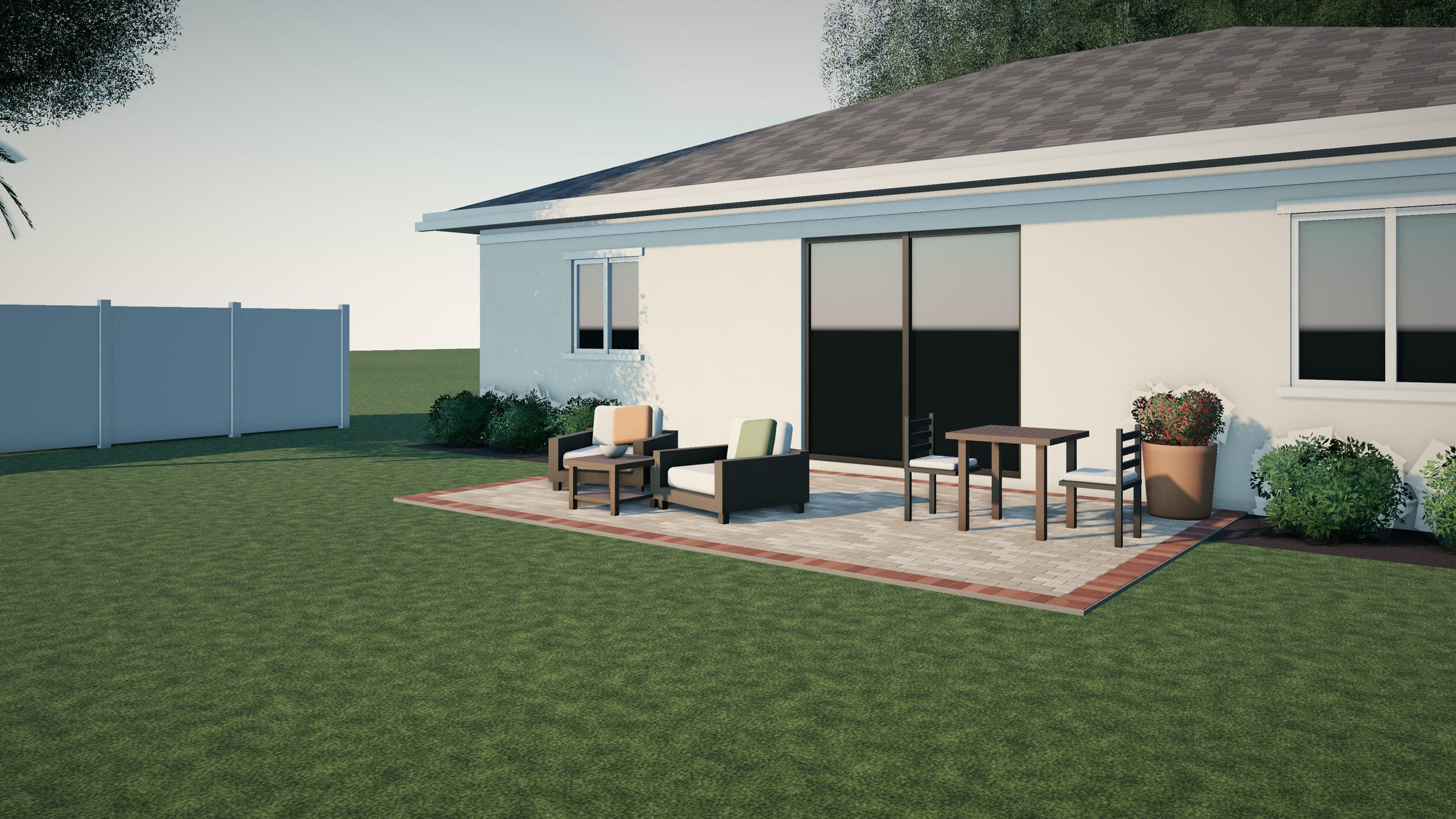
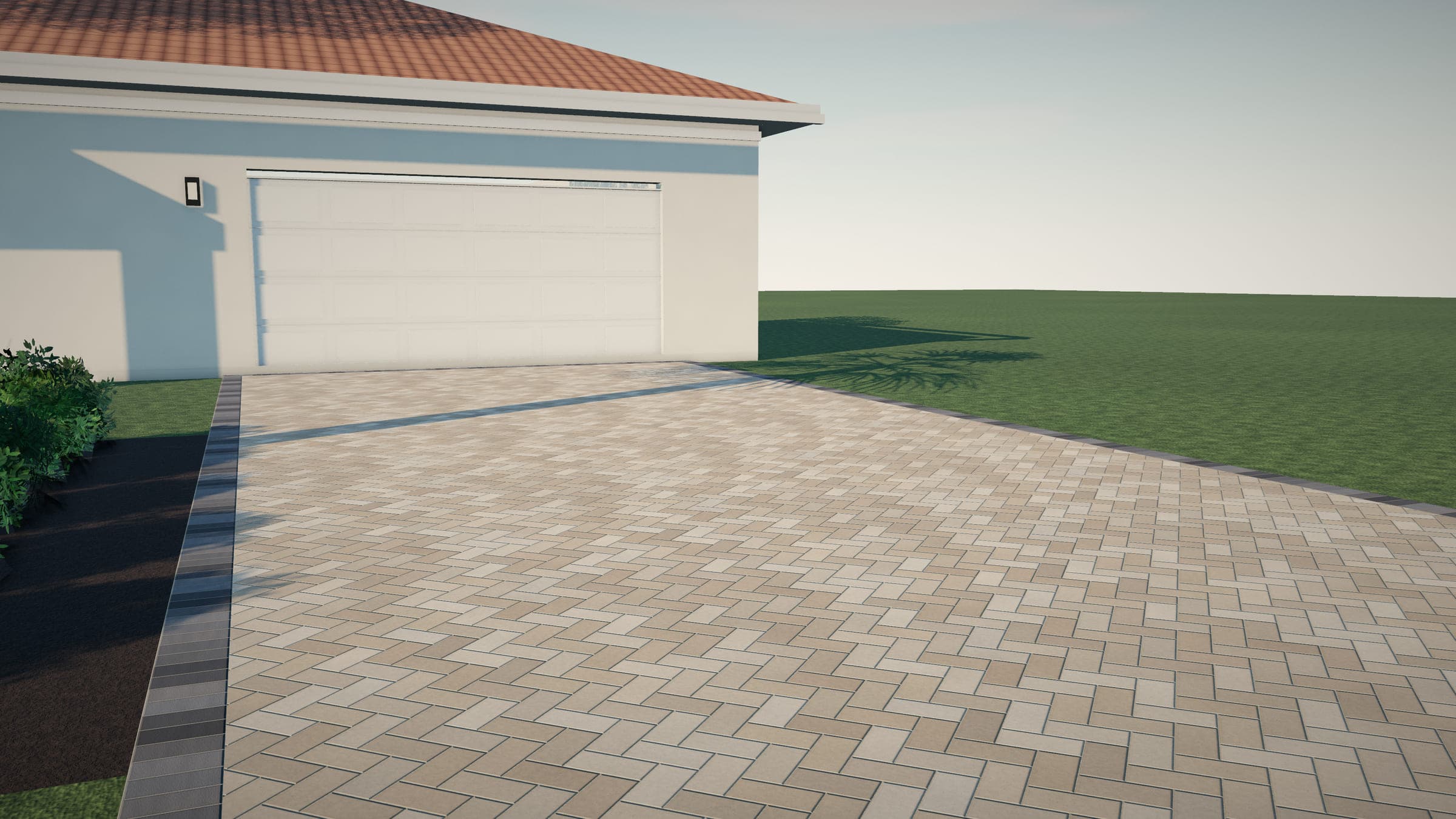
- Concrete pavers are the most versatile choice: many shapes, colors, and finishes, suitable for patios and driveways, and easy to repair unit by unit.
- Porcelain pavers give a crisp, contemporary look with very low water absorption and strong stain resistance. They depend heavily on the right installation method, and not every product suits every use.
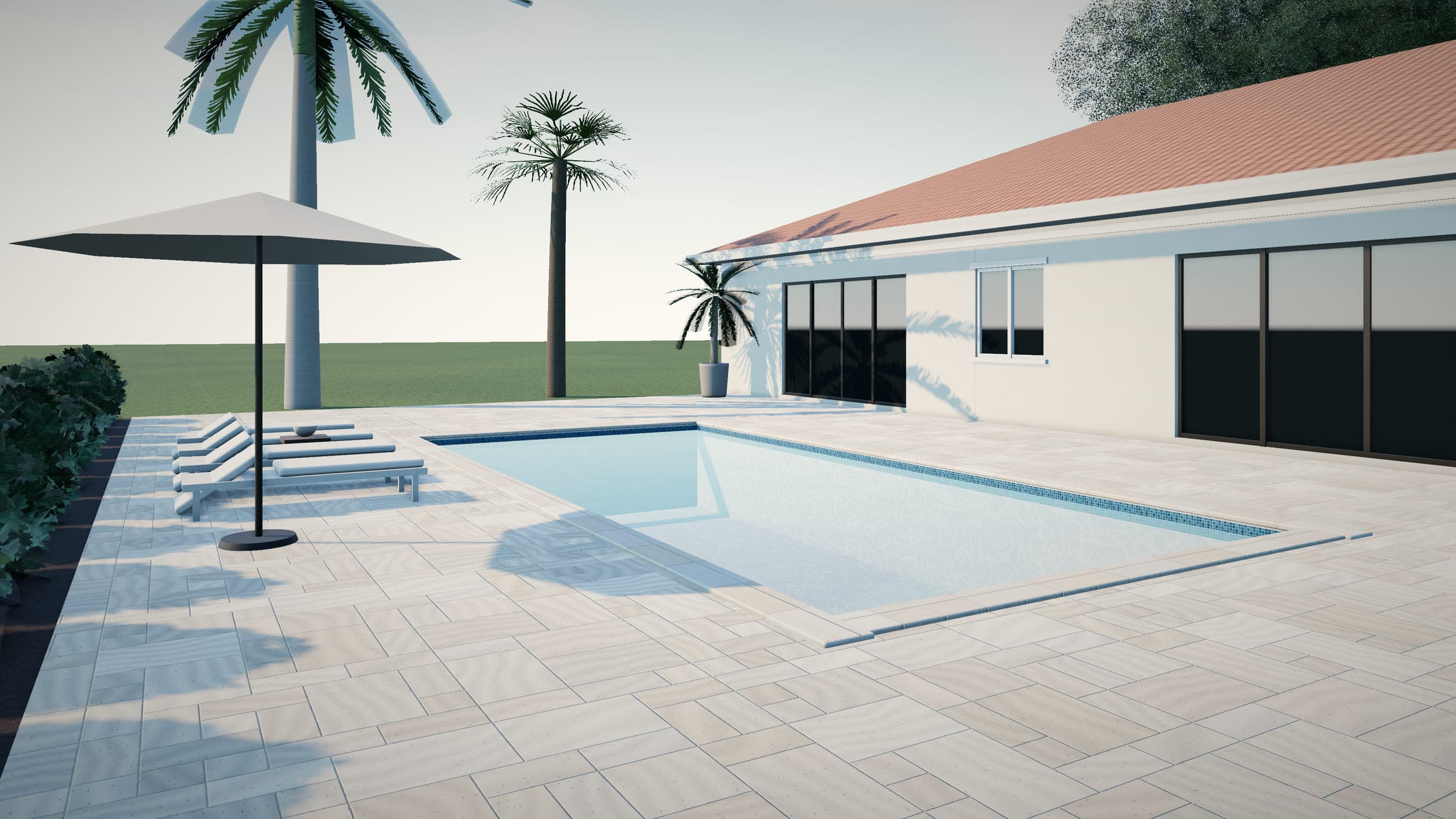
- Natural stone — travertine, shellstone, flagstone, and others — brings natural variation and a classic look, especially around pools. Each stone behaves differently, and variation from piece to piece is part of the appeal.
Whichever you lean toward, choose from physical samples viewed outside, wet and dry, in the light your space actually gets.
Concrete pavers
Concrete pavers are manufactured units made from concrete poured into molds and cured. They come in rectangles, squares, multi-size sets, large slabs, and "tumbled" versions with softened edges for an aged look.
Strengths. They work for almost every use — patios, walkways, pool decks, and driveways. Thicker units and interlocking patterns handle vehicle loads. Colors and textures run from traditional blends to smooth, modern slabs. Because each unit is separate, a stained or broken paver can be replaced, and settled areas can be lifted and reset.
Things to know. Colors can fade somewhat over the years in strong sun, and new concrete pavers often show efflorescence — a white haze of natural salts that typically fades. Joint sand needs occasional topping up. Replacement pavers from a later production run may not match weathered originals exactly.
 Material study
Porcelain pavers
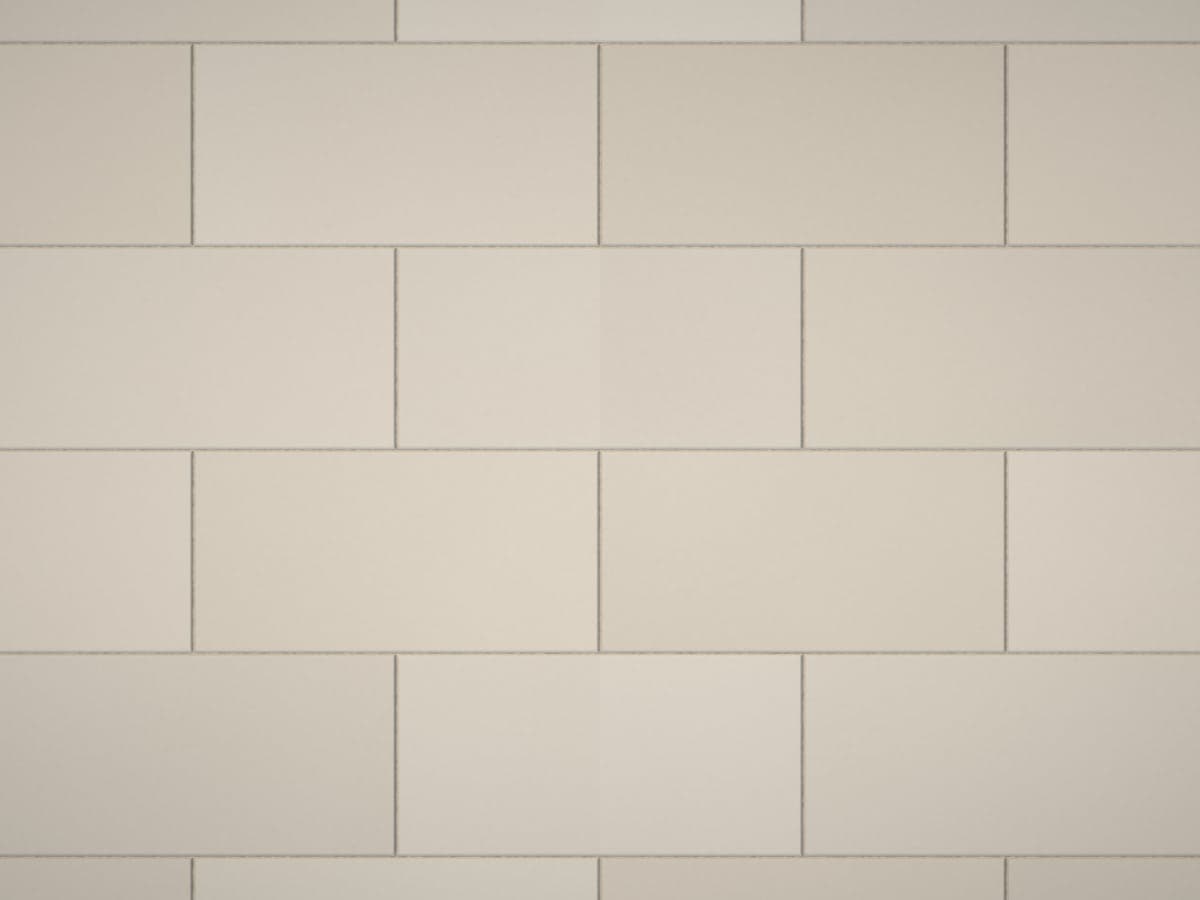
Outdoor porcelain pavers are dense, kiln-fired tiles made thick enough for exterior use — commonly about ¾ inch (20 mm). They reproduce stone, concrete, and wood looks with consistent color and sharp edges.
Strengths. Porcelain absorbs very little water, so it resists staining and doesn't need sealing. It holds color well in sun, cleans easily, and gives a clean, contemporary look — including wood-look planks that won't rot.
Things to know. Porcelain is only as good as its installation. Depending on the product and use, it may be set on a compacted aggregate base, on pedestals, or bonded to a concrete slab with the manufacturer's specified system. Whether a given porcelain product is suitable for driveways depends on the manufacturer's guidance and the installation method — many are intended for pedestrian areas unless installed over a suitable concrete base. Cutting is slower and more precise work, and chipped edges are more noticeable than on tumbled pavers. Around pools, choose finishes the manufacturer rates for wet, barefoot areas.
 Material study
Natural stone
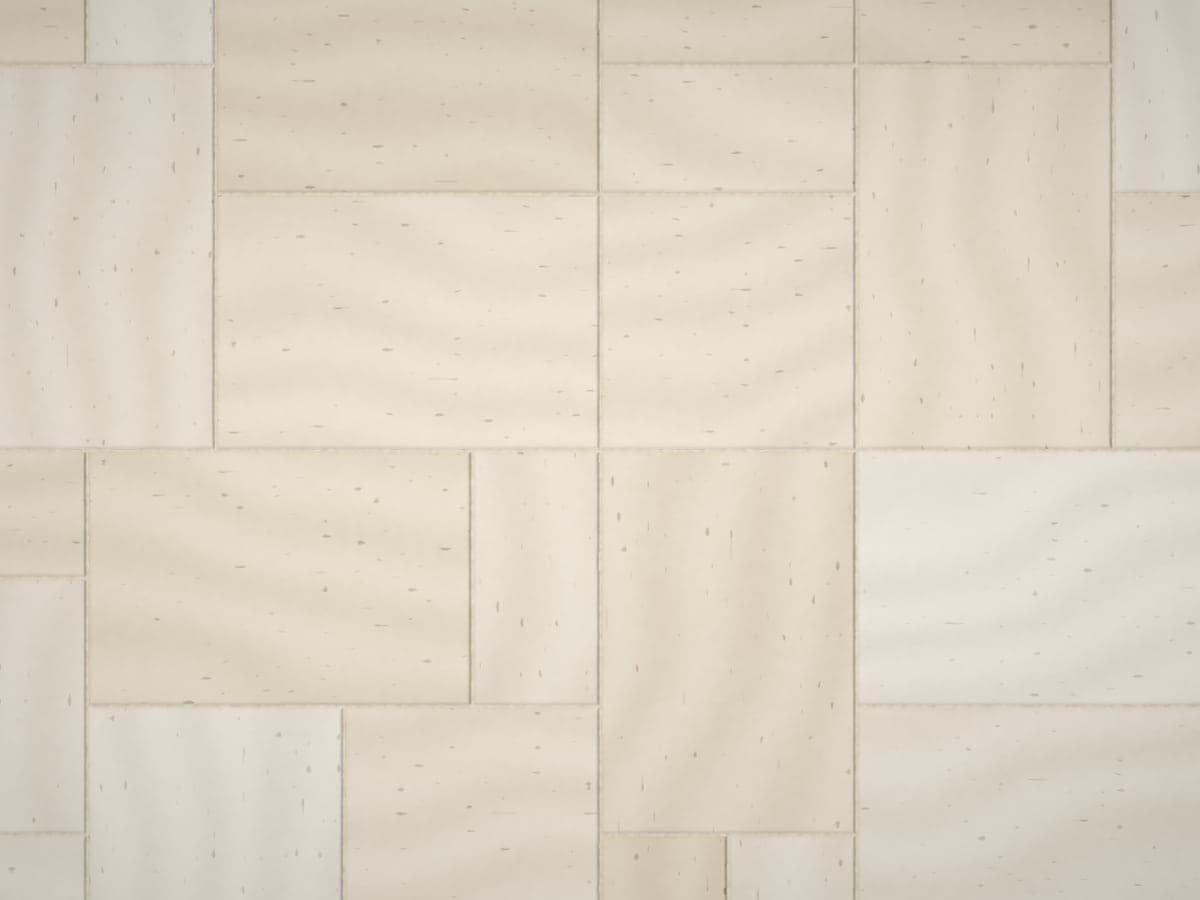
Natural stone is quarried, cut, and finished. Every piece varies, which is exactly why people love it.
- Travertine is a longtime favorite around Florida pools. It's usually light in color, often tumbled, and has natural pits and veining. Filled and unfilled finishes are available; many owners seal it.
- Shellstone (and similar coral or coquina-type limestones) is pale with visible shell fragments and a soft, coastal look. It's softer than many materials, so it can scratch and stain more easily.
- Flagstone — irregular slabs of sandstone, quartzite, or similar stone — suits garden paths and informal patios, often with gravel or planted joints.
Things to know. Stone varies in color, thickness, and absorption, even within one order. Softer and more porous stones may stain or wear more readily and are often sealed. Quality differs between suppliers, so ask about thickness, finish, and how the stone is graded.
 Material study
Side-by-side comparison
| Concrete pavers | Porcelain pavers | Natural stone | |
|---|---|---|---|
| Look | Wide range, from traditional to modern | Crisp and consistent; stone, concrete, or wood looks | Natural variation; classic |
| Typical uses | Patios, walks, pool decks, driveways | Patios, walks, pool decks; driveways only where the product and method allow | Pool decks, patios, paths |
| Water absorption | Moderate | Very low | Varies widely by stone |
| Stain resistance | Moderate; sealing optional | High; sealing not needed | Varies; many stones are sealed |
| Underfoot heat | Depends on color and texture | Depends on color and finish | Light stones are often comfortable; varies |
| Wet traction | Depends on texture and any sealer | Depends on finish; choose outdoor/wet ratings | Depends on finish; tumbled often grips better |
| Installation | Well-established; forgiving | Method-specific; precise | Varies by stone and thickness |
| Repairs | Easy unit-by-unit | Possible; matching depends on stock | Possible; natural variation helps |
| Relative cost | Often the most budget-friendly | Often higher | Often higher; varies by stone |
"Relative cost" is general. Actual pricing depends on the specific product, pattern, site conditions, and installation — see what affects the cost.
Heat and slip: questions to ask about any product
Two claims deserve skepticism whenever you hear them: that a surface "stays cool" and that it's "slip-proof."
- Heat. Lighter colors generally reflect more sun and stay cooler than dark ones. Texture, material, and shade matter too. Put samples in full sun at midday and touch them.
- Traction. Wet traction depends on the product, its finish, and any sealer. For pool decks, ask for the manufacturer's slip-resistance information for the exact product and finish. Film-forming sealers can reduce traction.
Patterns and borders
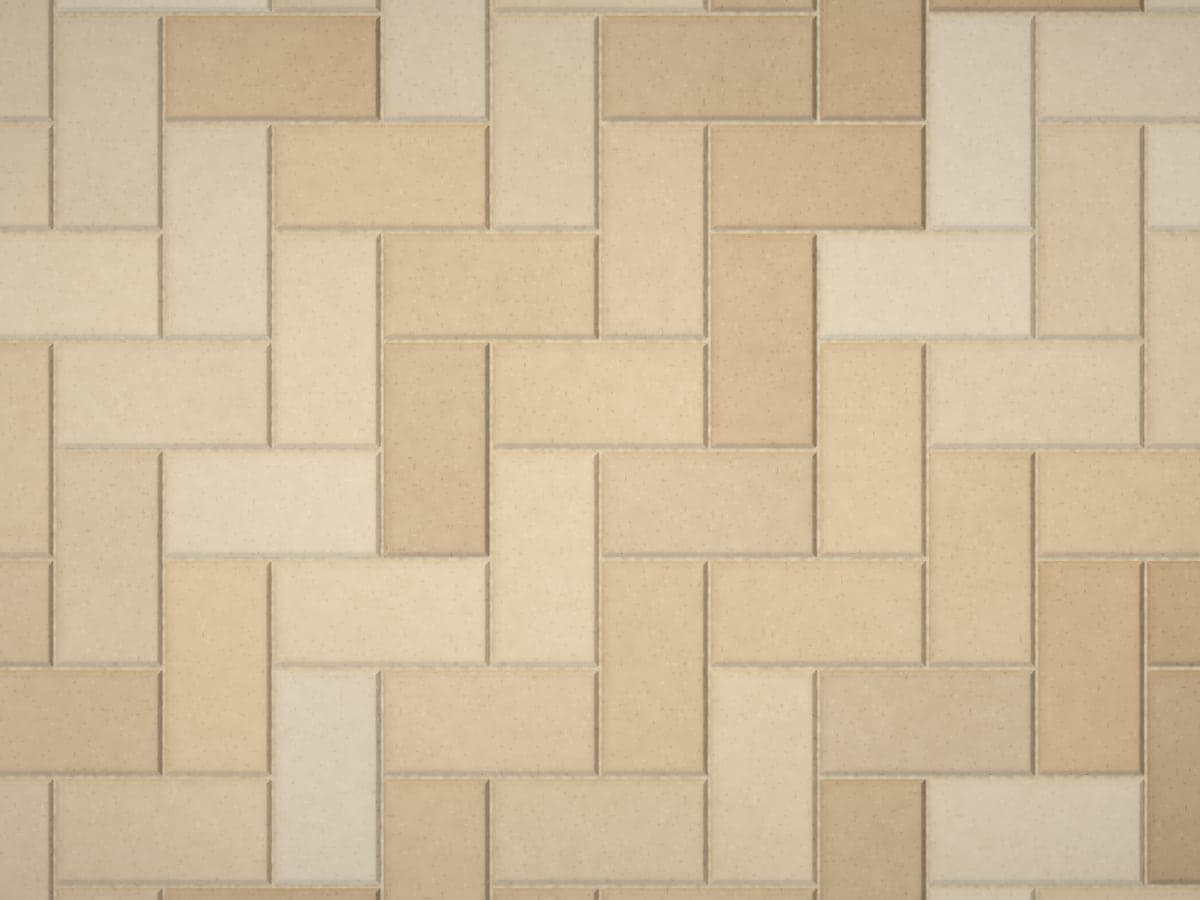
Pattern changes the character of a space as much as material does. Running bond is calm and linear; herringbone is lively and, for driveways, the most stable; basketweave reads traditional; multi-size or French patterns feel like natural stone. A contrasting border gives a finished edge and can hide small cuts.
How to choose
- Start with the use. Driveways narrow the options; pool decks raise heat and traction questions.
- Set your upkeep tolerance. If you don't want to seal, porcelain or an unsealed concrete paver may suit you better than softer stone.
- Look at samples on site. Wet and dry, morning and late afternoon, next to your roof, stucco, and plants.
- Ask about installation. Especially for porcelain and stone, how it's installed matters as much as what it is.
- Compare proposals item by item. Base, edges, joint material, and sealing should be spelled out.
When you're ready, request a consultation and we'll bring samples to your space.