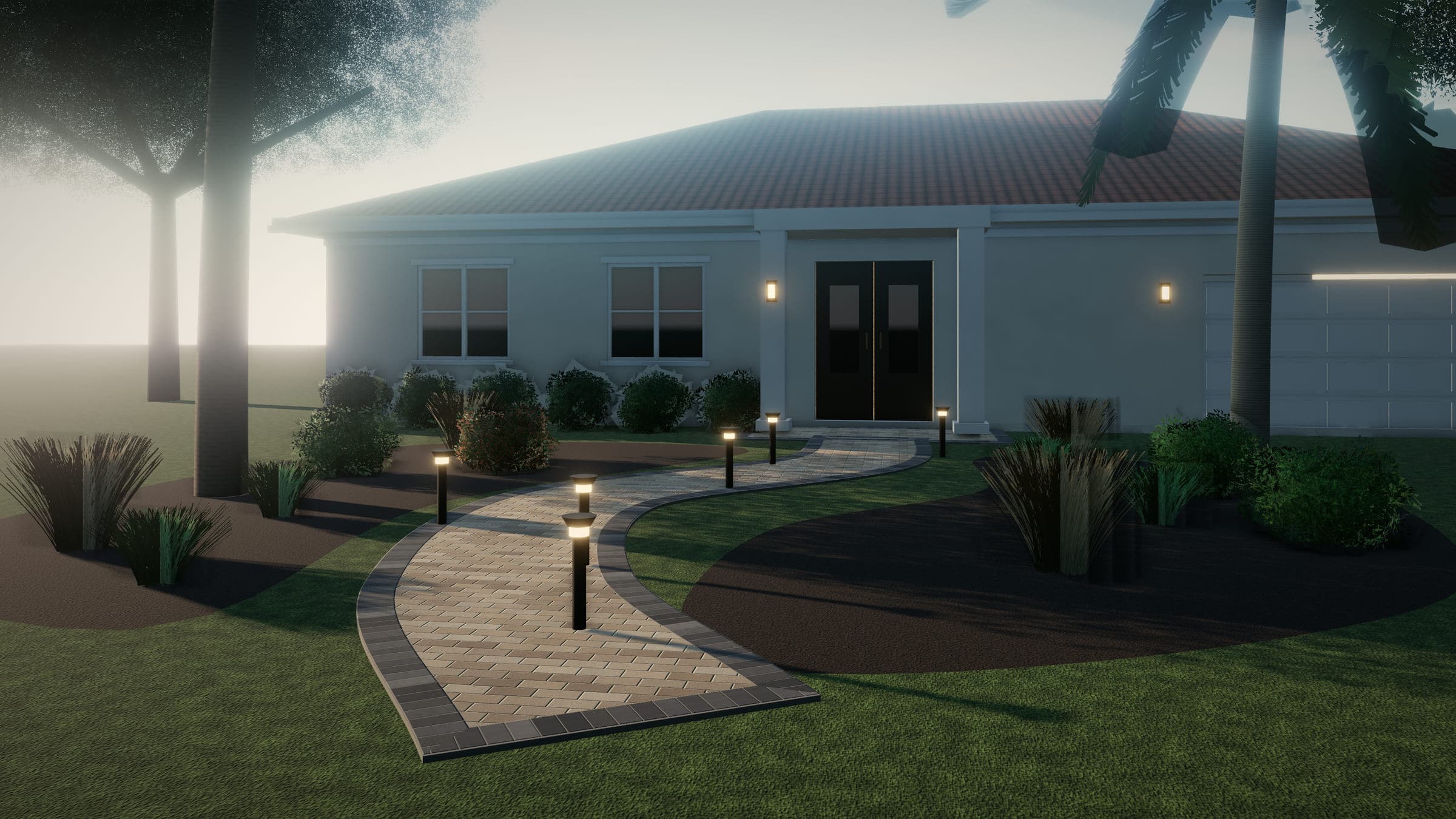
Outdoor living in Longwood
Longwood, in Seminole County, is home to a Historic District of roughly 190 acres that was listed on the National Register of Historic Places in 1990, along with established, often wooded neighborhoods beyond it. Tall trees, older homes, and deep lots are common — good ingredients for shaded patios and garden paths.
If your home is in the Historic District
The City of Longwood publishes a Historic District code book with design guidelines that apply within the district. Those guidelines can affect fences, structures, and other exterior features, so a project in the district should start with a look at the current rules. Materials and details that suit the district's older homes — traditional patterns, clay-look pavers, and simple borders — often make approval straightforward.
Designing around trees
Shade from mature trees is valuable in Central Florida summers, but it changes how a project should be planned:
- Roots first. Major roots near the surface shouldn't be cut to fit a layout. Paths can curve around root zones, and patios can stop short of them.
- Cleaning and joints. Shaded paving stays damp longer and may grow algae or mildew in the joints. Polymeric joint sand and occasional cleaning help — see repair, restoration & sealing.
- Leaf litter. Mid-tone paver blends hide leaf stains better than very light surfaces.
Planning a project in Longwood
- Confirm jurisdiction. Some Longwood-area addresses are in unincorporated Seminole County.
- Check historic guidelines if the property is in the district.
- Plan drainage so water from roofs and paving leaves the area — the drainage guide lists the questions.
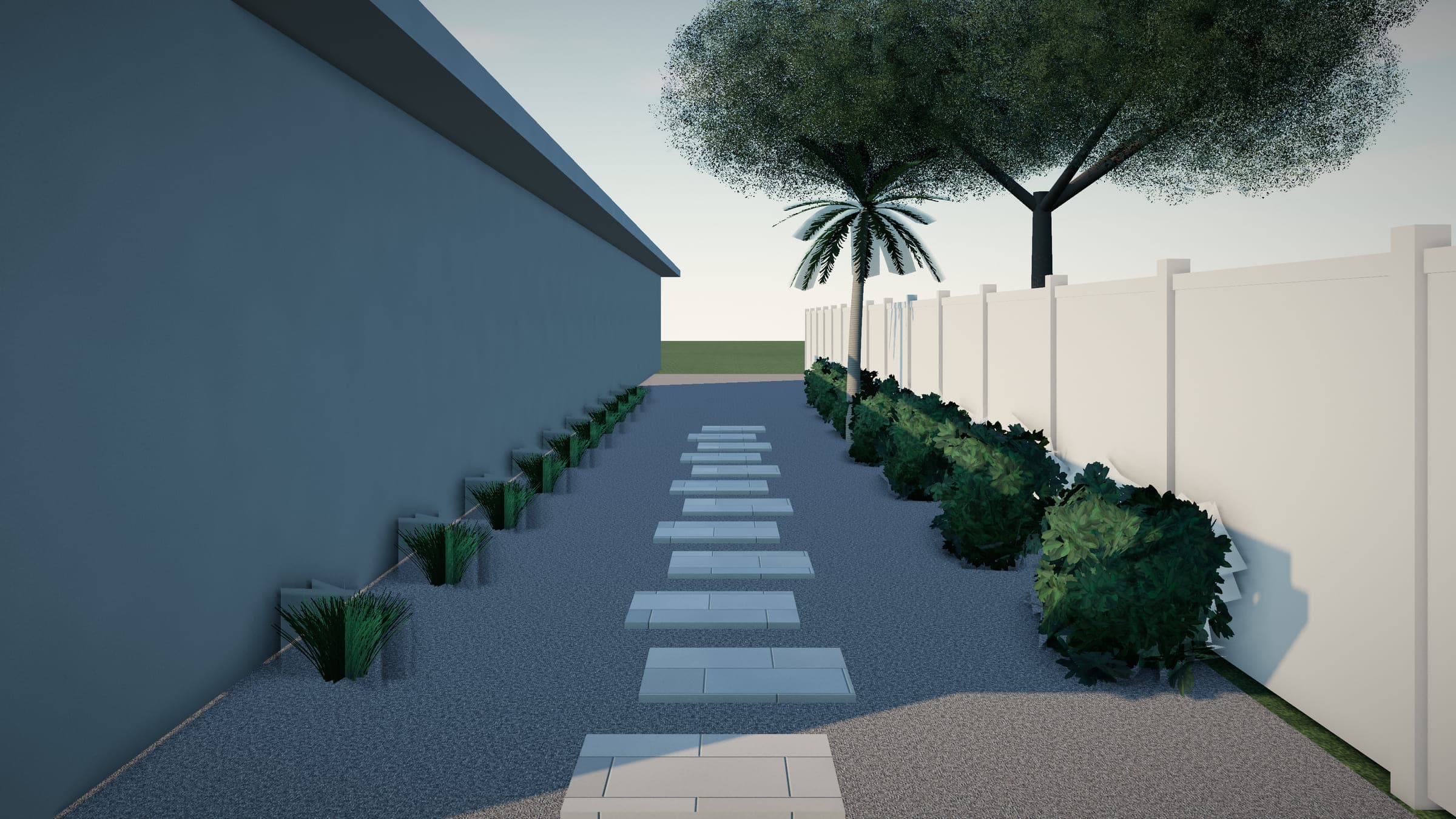
- Walks and entries are a natural first project on wooded lots; see walkways & garden paths.
Next step
Tell us about the project and whether the home is in the Historic District, and we'll follow up to talk it through.