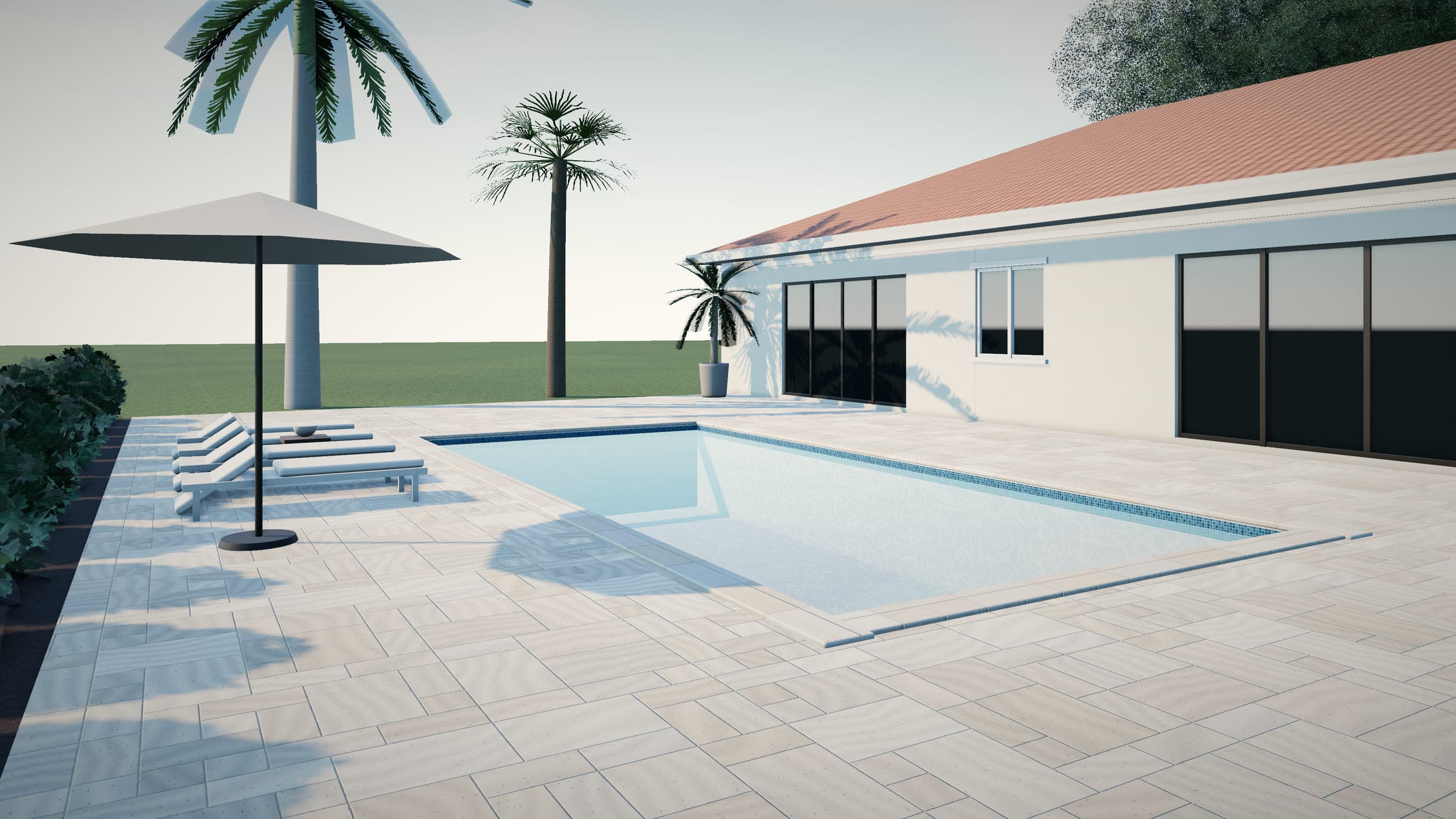
 Illustrative rendering
Guide · 4-minute read
Concrete pavers, porcelain, and natural stone compared
How the three main outdoor surfaces differ in look, feel, installation, maintenance, and cost — and where each one works best.
Website concept. Palm & Stone Outdoor Living is a demonstration brand — no active service business is taking requests through this site yet. About this demo
Learning Center
Straight answers about materials, costs, drainage, and planning — written for Central Florida homeowners comparing options before they spend.
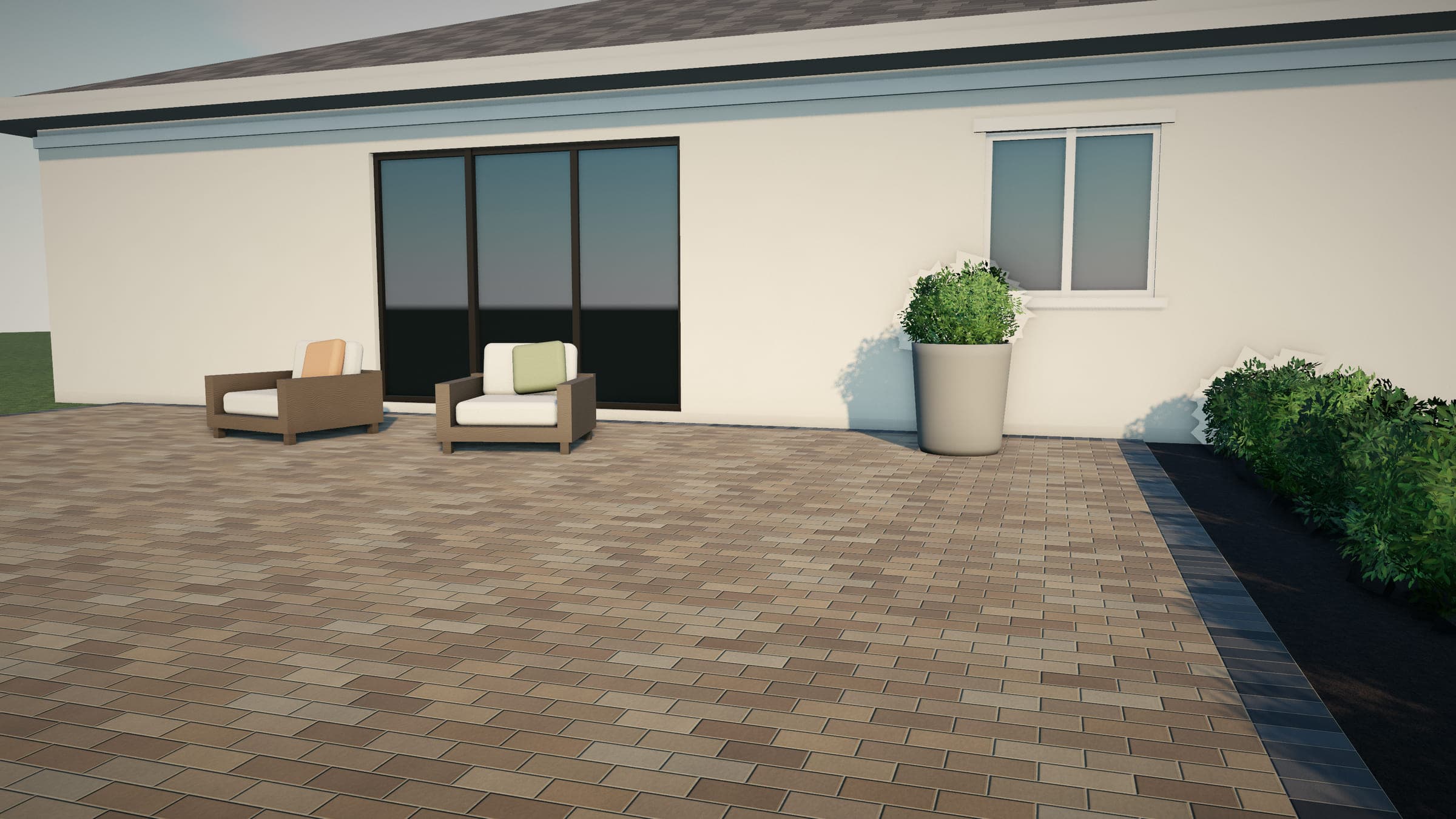 Illustrative rendering
Guides
Illustrative renderingGuide · 4-minute read
How the three main outdoor surfaces differ in look, feel, installation, maintenance, and cost — and where each one works best.
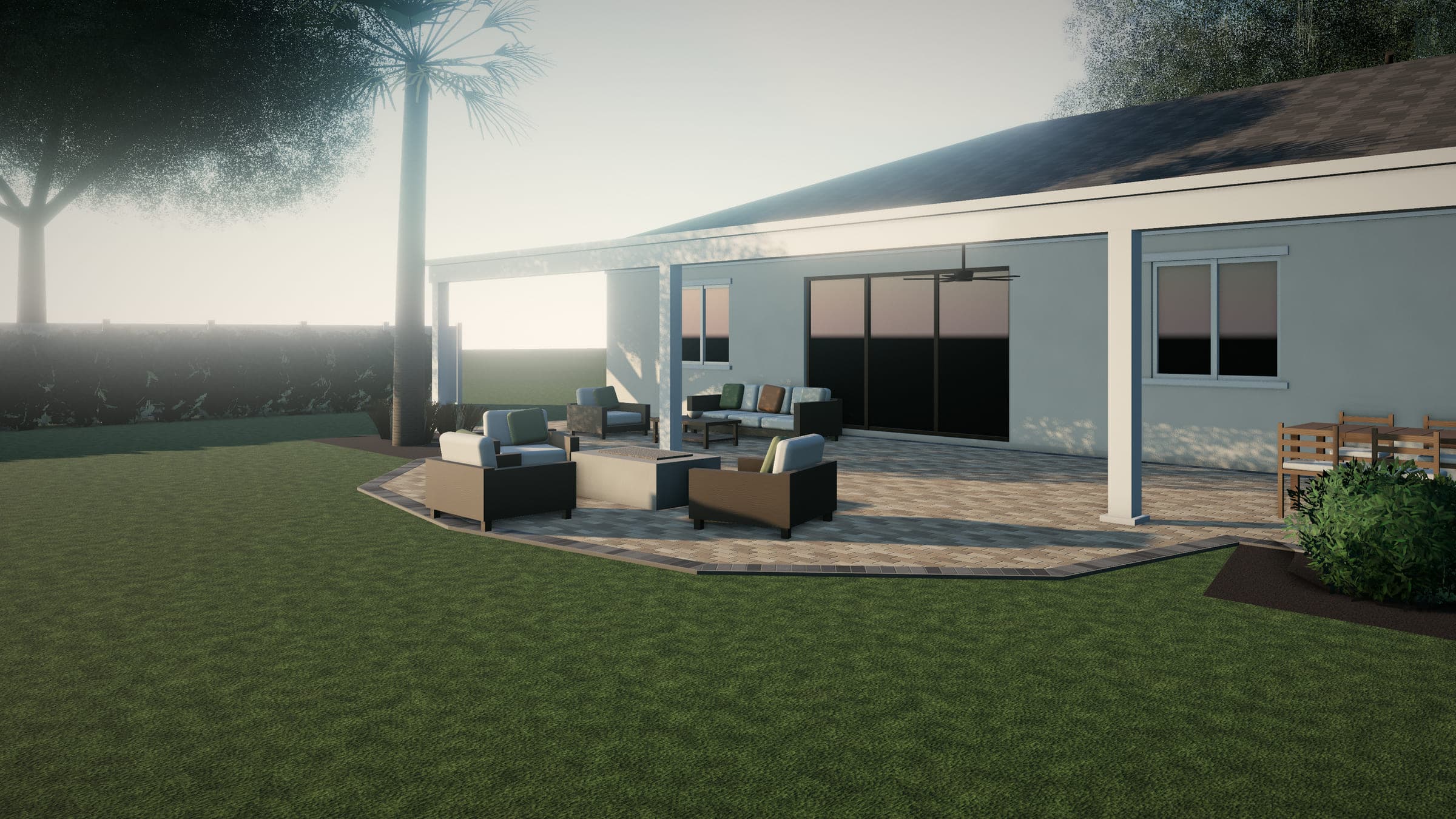 Illustrative rendering
Guide · 3-minute read
The site conditions, materials, and scope choices that move the price — and how to compare proposals fairly.
Illustrative renderingGuide · 4-minute read
Where the water goes, how the ground slopes, what the base sits on, and when an existing slab should stay or go.
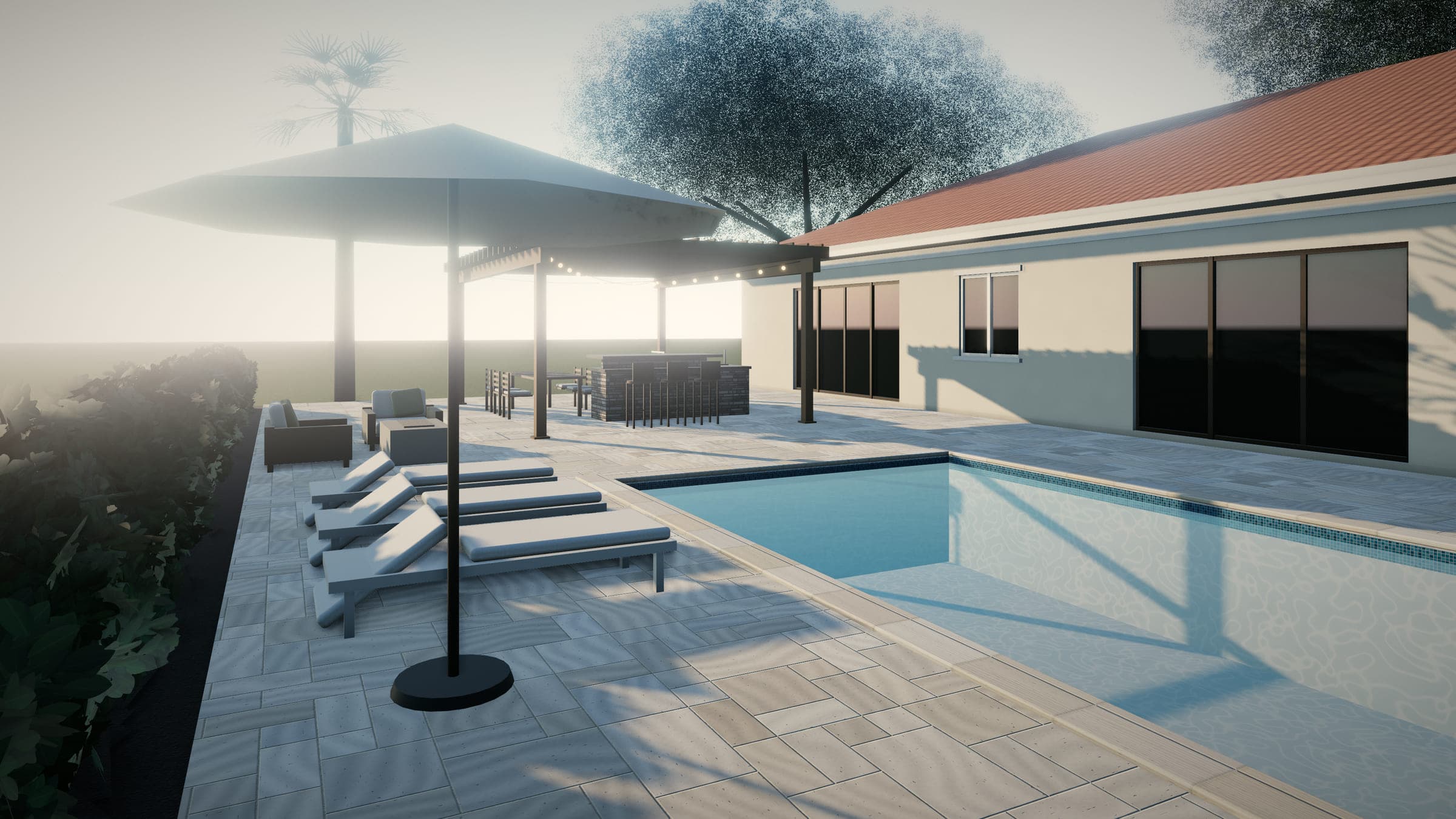 Illustrative rendering
Guide · 4-minute read
A step-by-step planning guide — how you'll use the space, sun and shade, samples, HOA and permits, and the order the work happens.
Material explorer
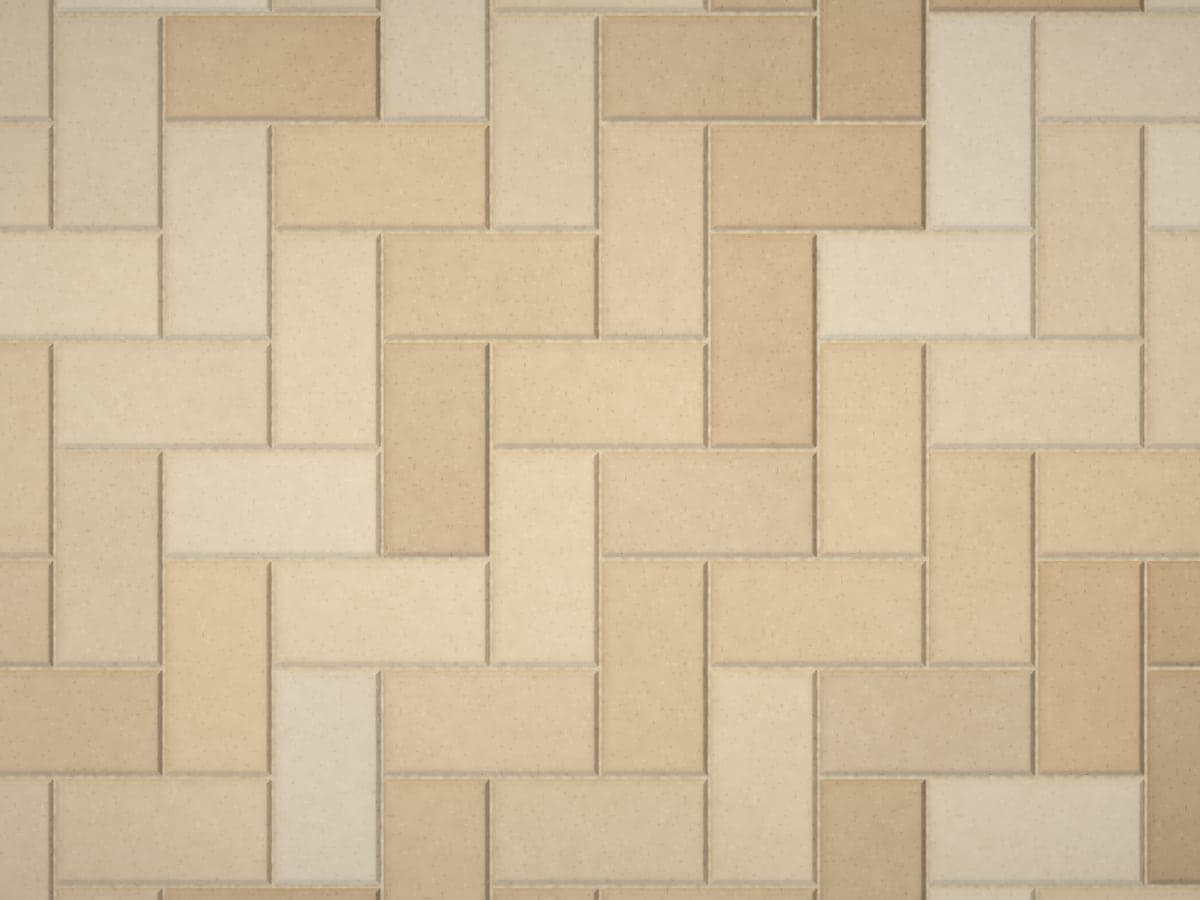 Material study · Sand blend, herringbone
The versatile, repairable workhorse for patios, walks, pool decks, and driveways.
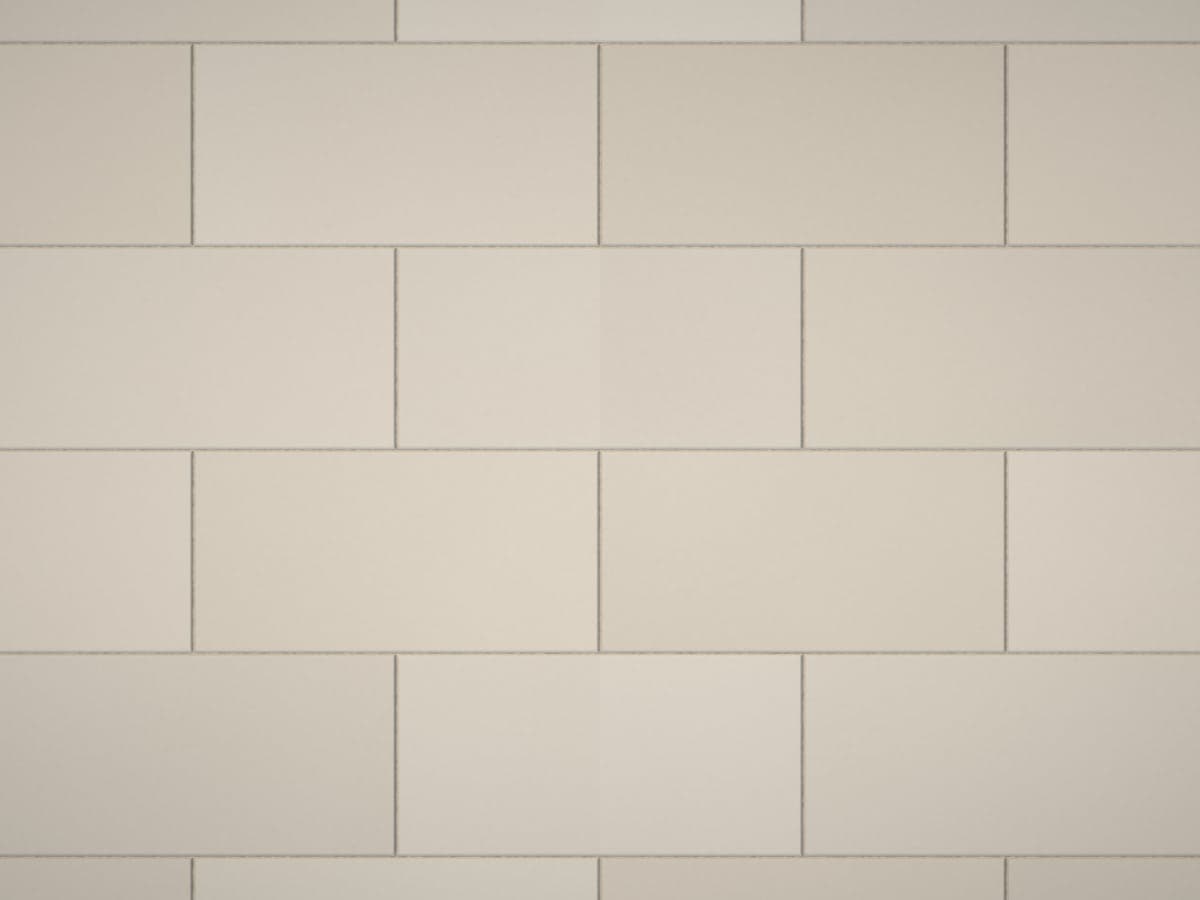 Material study · Stone-look, light gray
Crisp, consistent, low-absorption surfaces with stone, concrete, or wood looks.
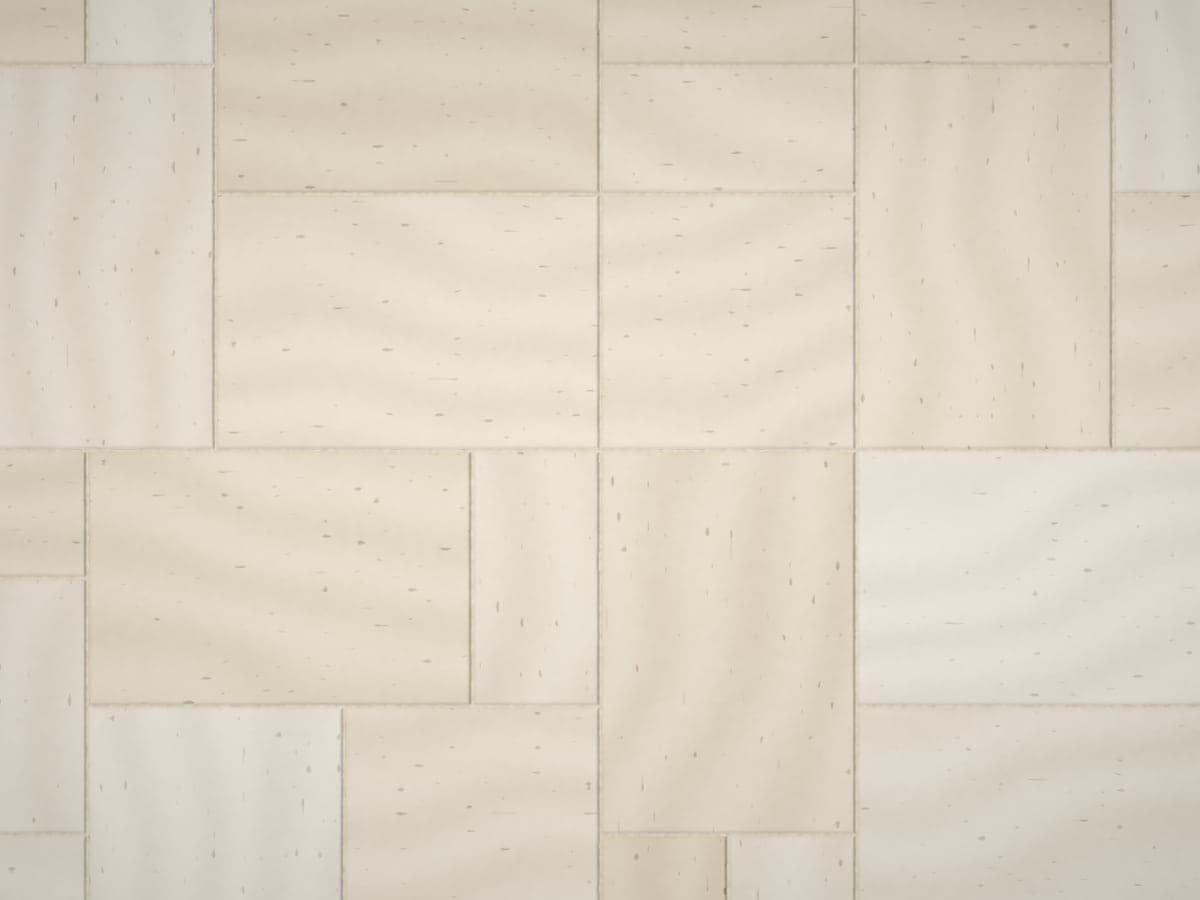 Material study · Ivory travertine, French pattern
Travertine, shellstone, and flagstone — natural variation and a classic look.
Patterns
Lively and very stable; a strong choice for patios and driveways.
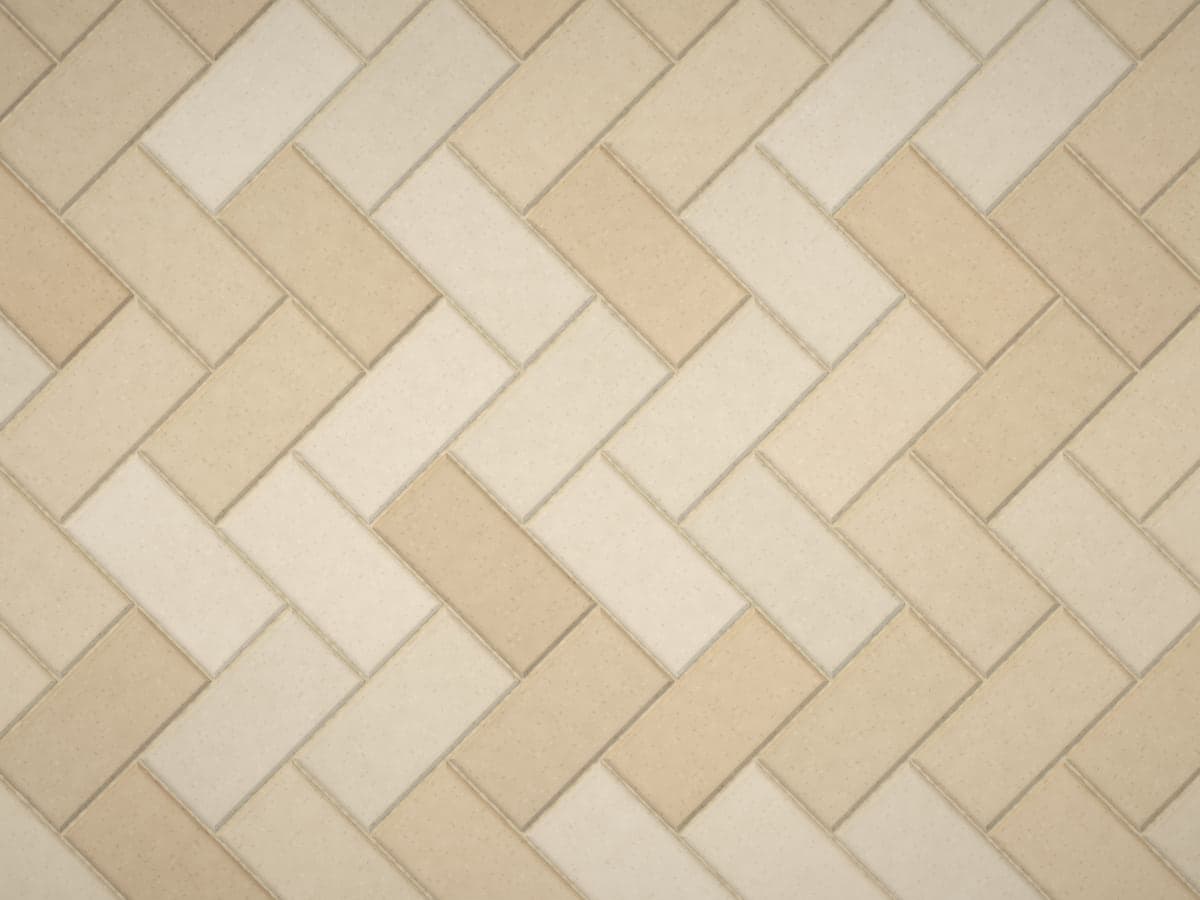
Widely recommended for driveways; resists the shifting caused by turning tires.
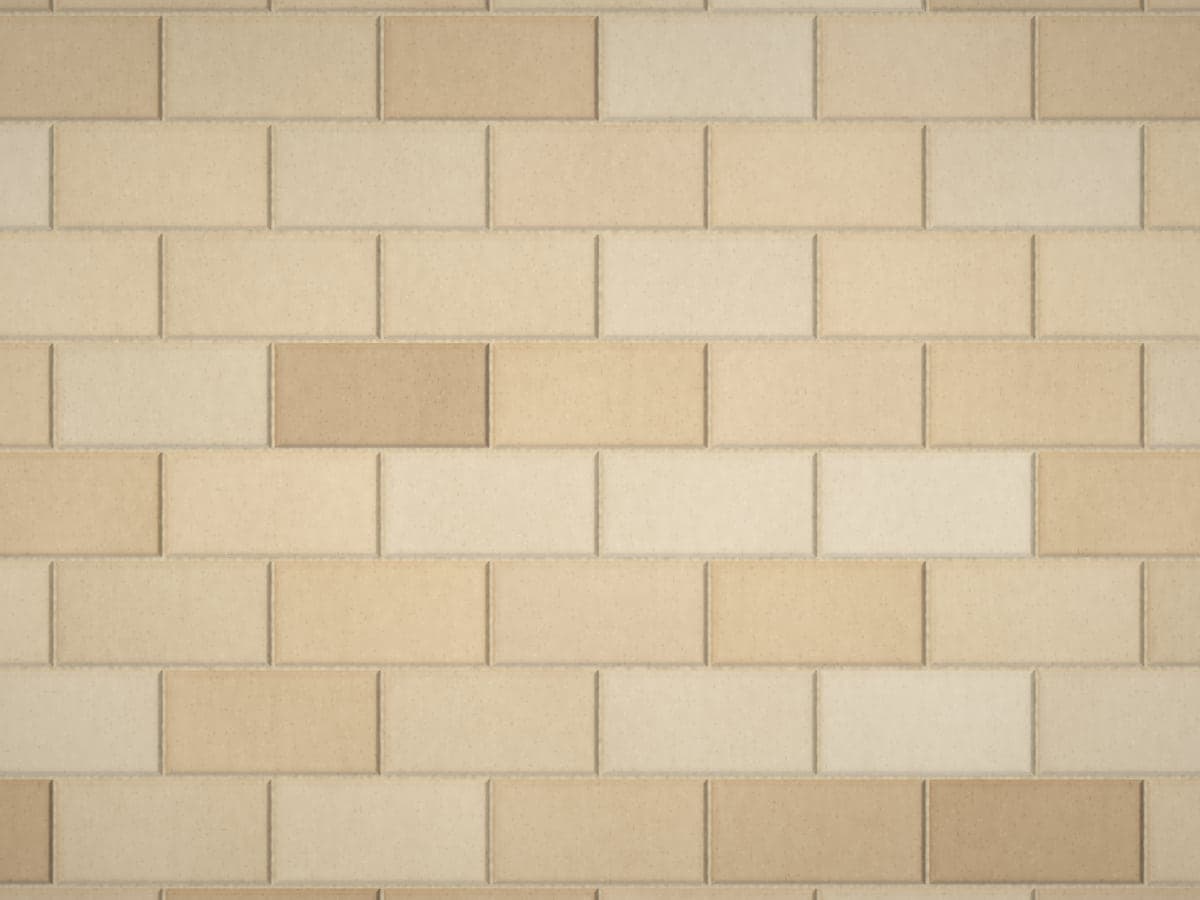
Calm and linear; laid lengthwise it can make a space feel longer.
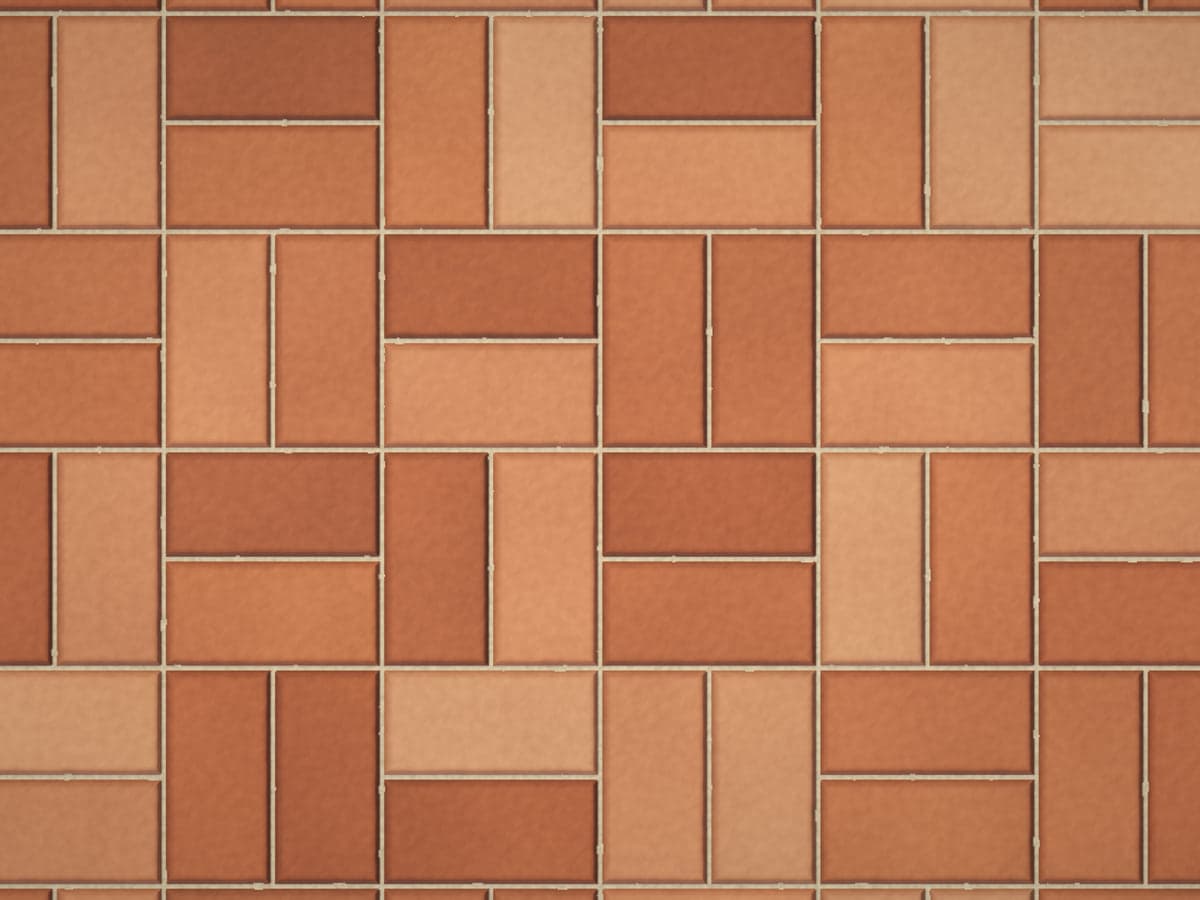
Traditional and brick-like; suits older homes and brick-street neighborhoods.
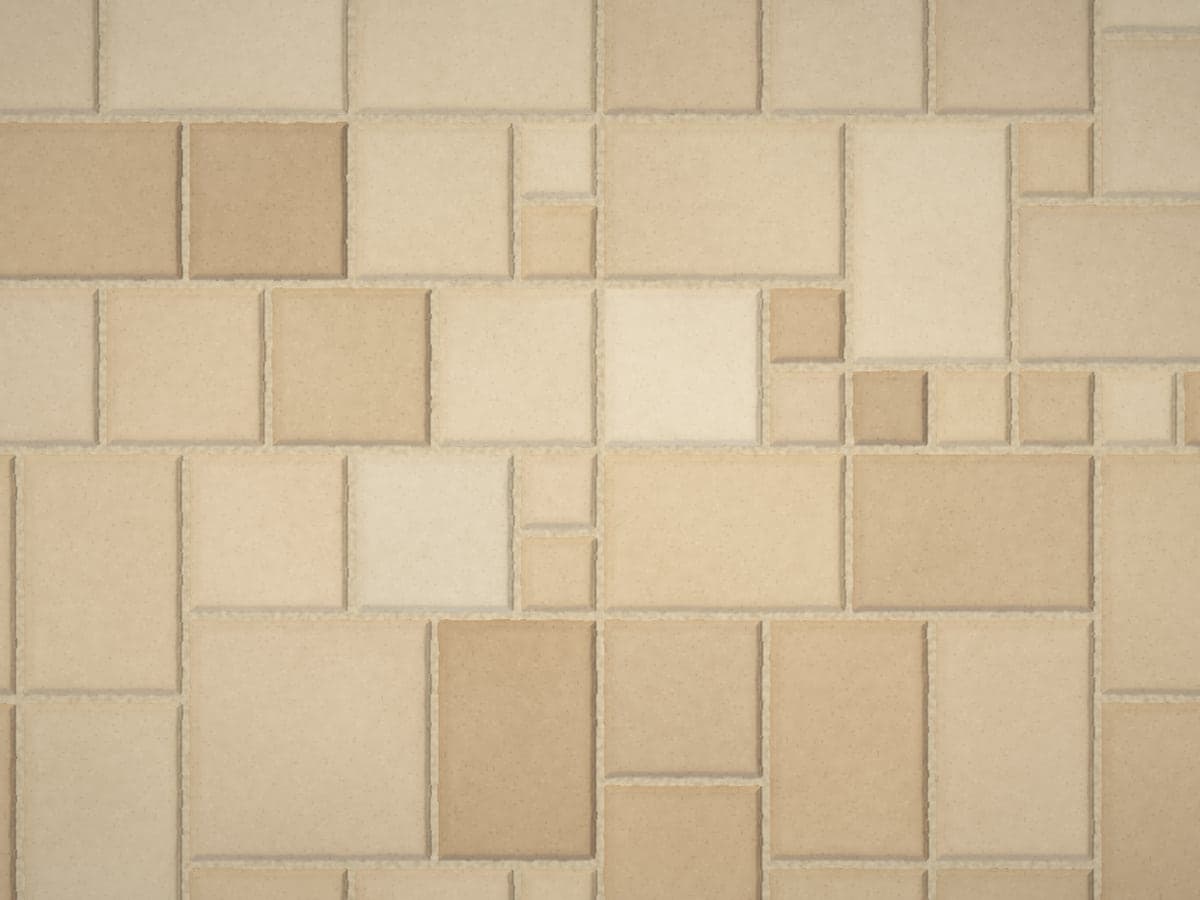
Informal, old-world character with tumbled edges.
A repeating mix of four sizes; classic with travertine around pools.
Below the surface
Schematic and not to scale. Actual layers and depths are set for each site.
Existing pavers
 Material study
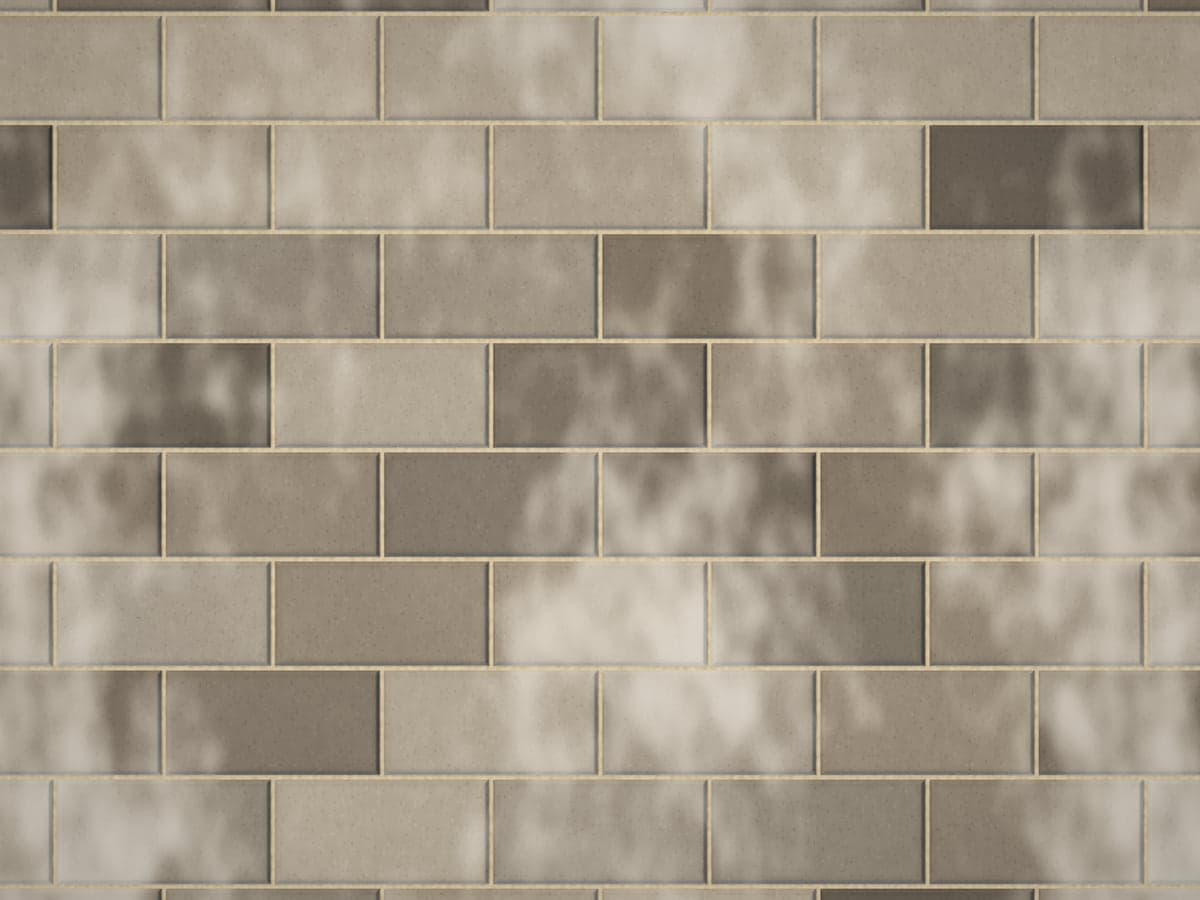
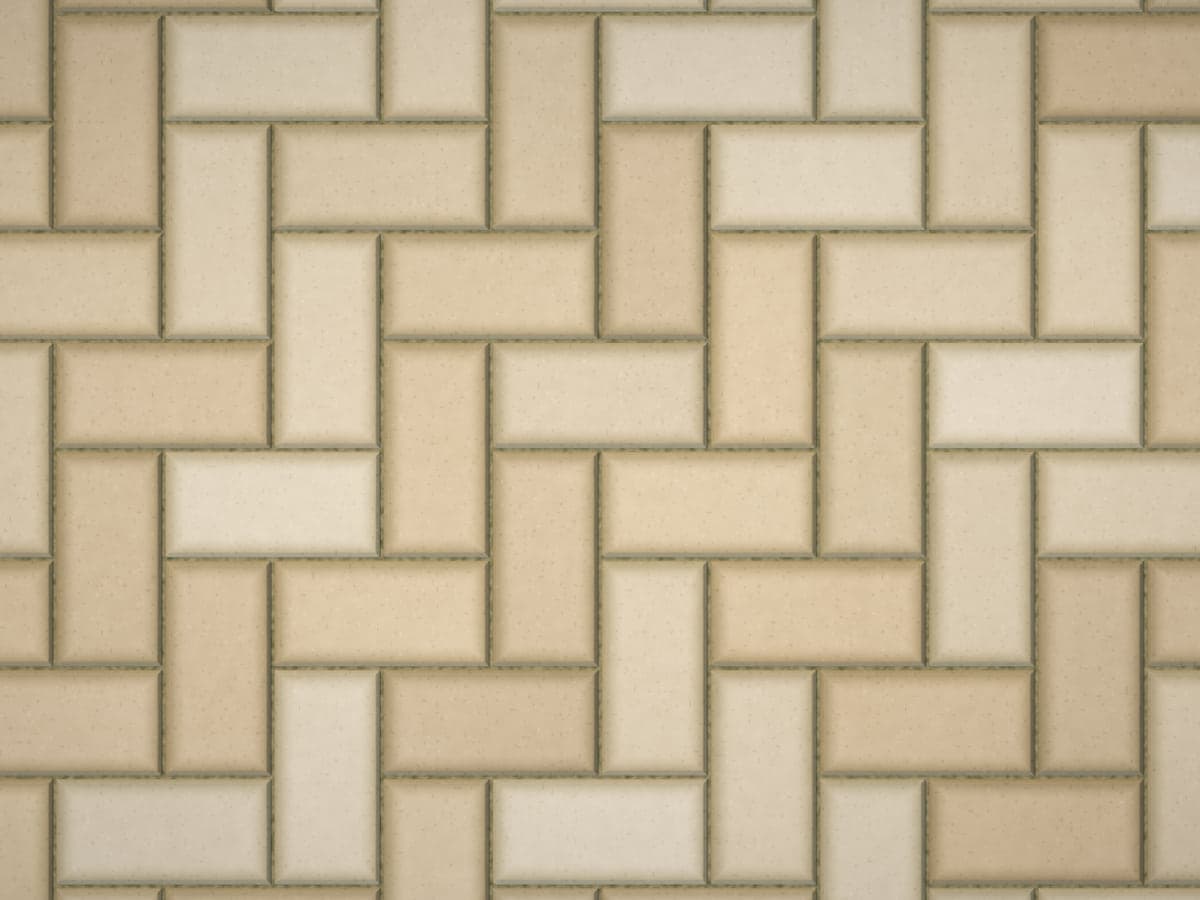
A white haze of natural salts on concrete pavers. Common, not structural, and often fades.
 Material study
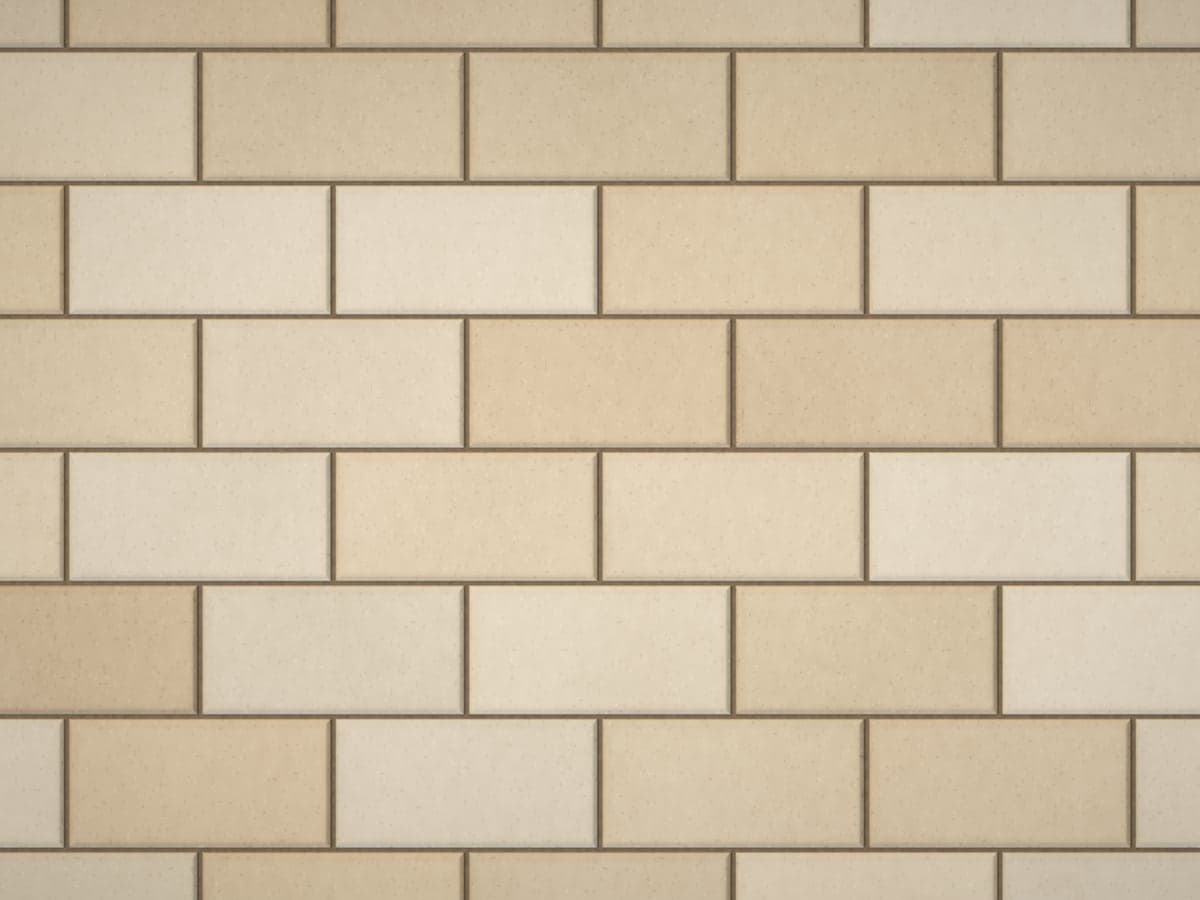
Algae or mildew in shaded, damp joints. Cleaning and better drainage help.
 Material study
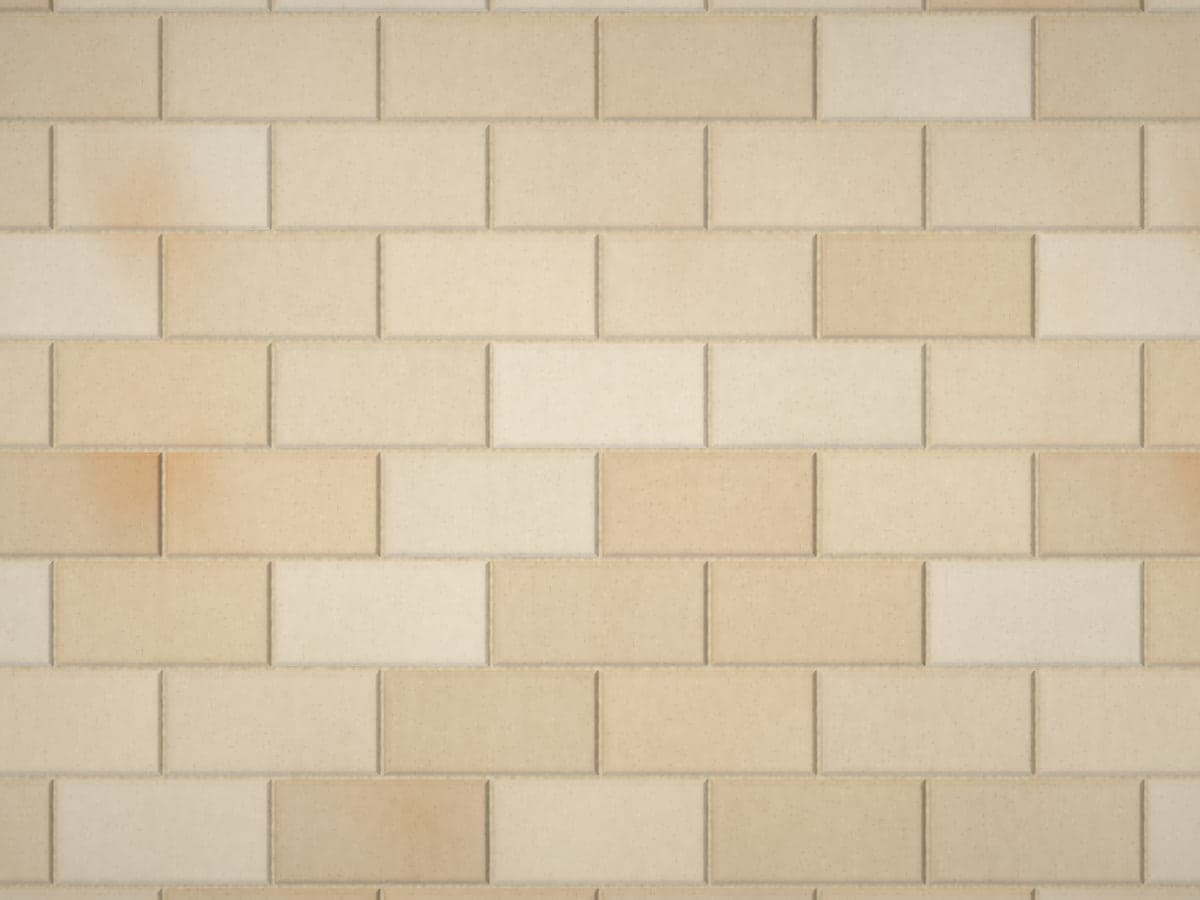
Empty joints let pavers rock and invite weeds and ants. Refilling restores the interlock.
 Material study
Orange arcs, often from iron in irrigation water. Treat the stain and fix the source.
Have a specific question? The FAQs cover permits, HOA review, sealing, pool-deck scope, and more.
Tell us what you have in mind. We’ll follow up to talk through the space, the options, and what a realistic next step looks like.