Website concept. Palm & Stone Outdoor Living is a demonstration brand — no active service business is taking requests through this site yet. About this demo

Palm & StoneOutdoor Living

Repair, restoration & sealing

Paver repair, restoration, and sealing

Most tired paver surfaces don't need replacing. Sunken areas can be lifted and reset, joints refilled, stains treated, and — if it suits you — the surface sealed.

Request a Consultation
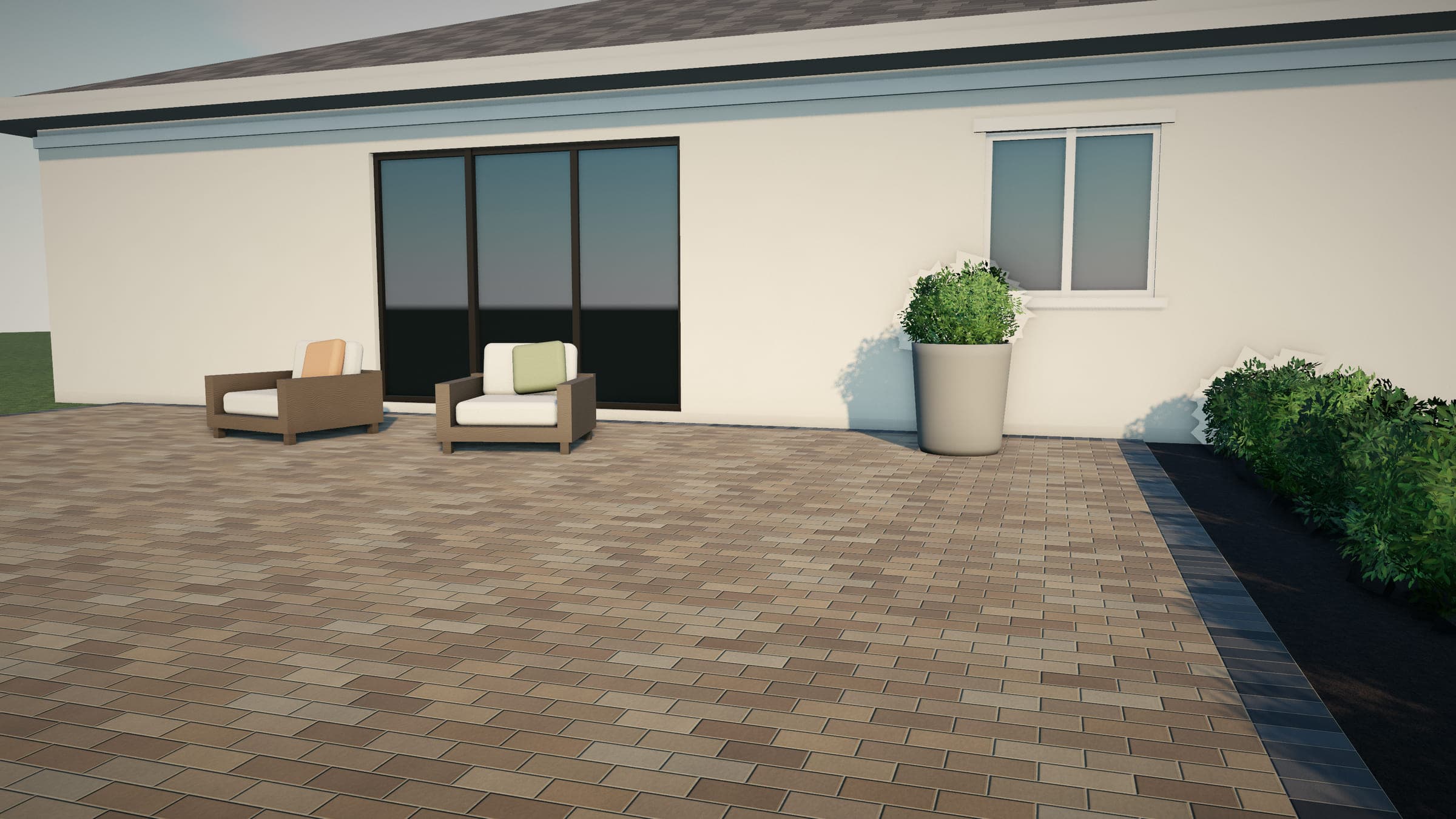
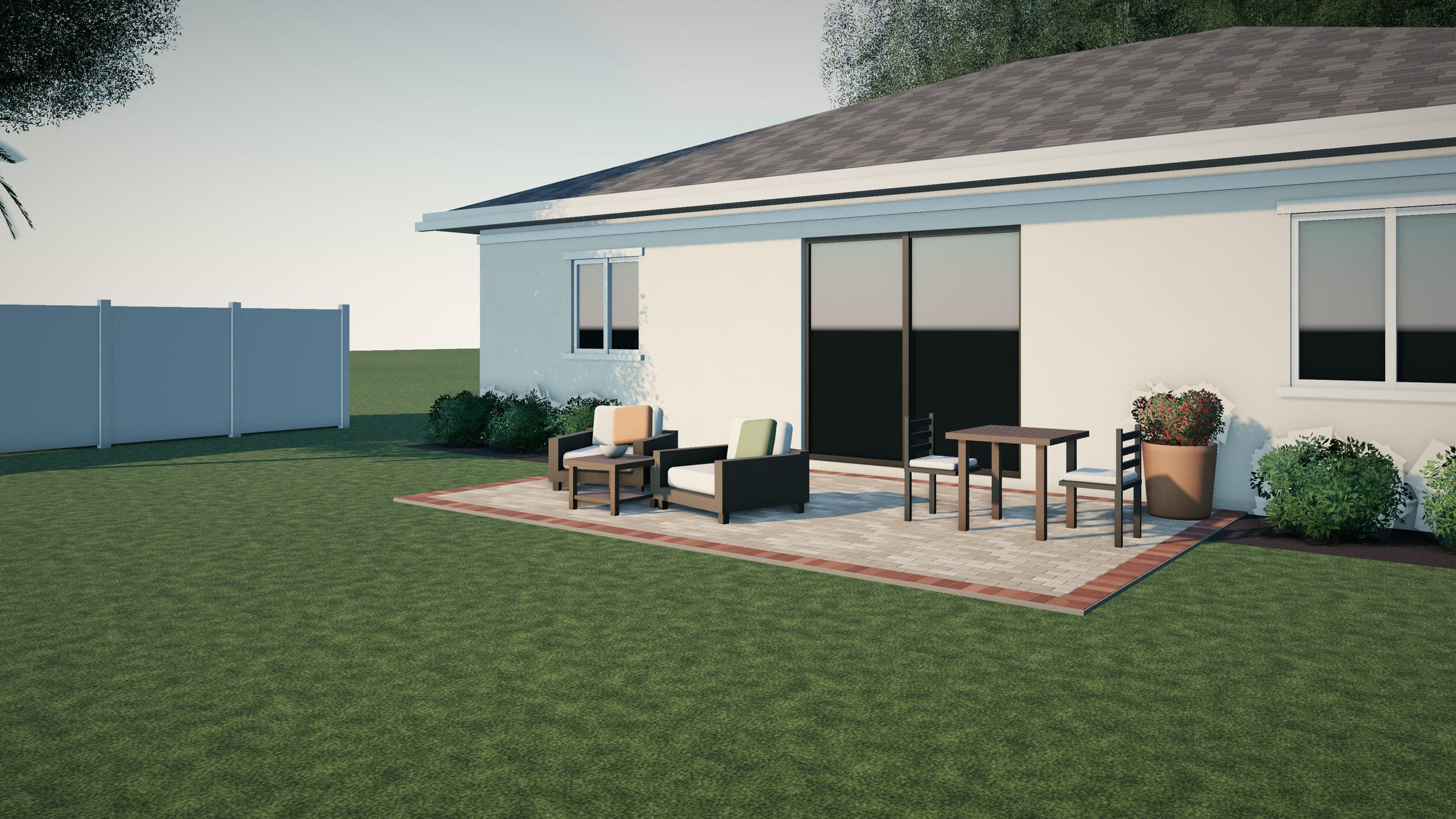
Sealed running-bond paver patio with a charcoal border, two lounge chairs, a planter, and a planted bed along the edge.Illustrative rendering

At a glance

A good fit if…

  • Areas have sunk, heaved, or created trip edges
  • Joints are empty, weedy, or full of ants
  • The surface is stained, faded, or has a failing old sealer

What the work usually includes

  • Assessment of what's causing the problem
  • Lifting and resetting settled areas with base correction
  • Replacing broken units where suitable matches exist
  • Cleaning suited to the stain and the paver
  • Re-sanding joints with regular or polymeric sand
  • Sealing, if chosen, with a product suited to the surface

Not included or handled separately

  • Concrete slab repair or pool interior resurfacing
  • Fixing drainage sources outside the paved area without a separate scope
  • Guarantees that discontinued or weathered pavers can be matched exactly

Start with the cause

A sunken corner or a weedy joint is a symptom. The fix lasts only if it addresses the cause, so every restoration starts with a look at what's happening underneath and around the pavers.

  • Settling or sinking usually traces to the base: water washing out bedding sand, soft or poorly compacted soil, an old utility trench, or a failed edge restraint.
  • Heaving is often caused by roots.
  • Empty joints come from washout, pressure washing, or joint sand that was never fully filled.
  • Stains have many sources — irrigation water, leaves, oil, rust from furniture, or fertilizer.

Common conditions
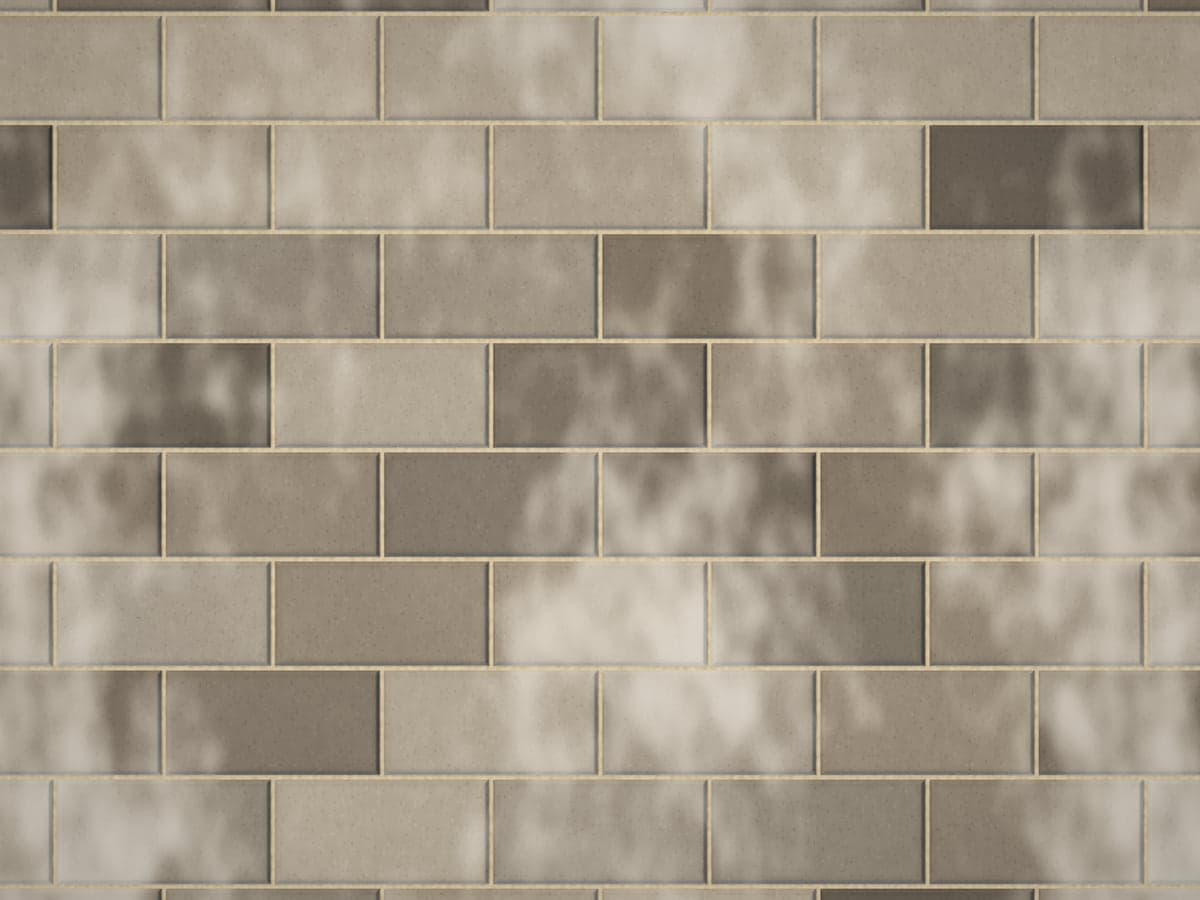
Charcoal pavers with patches of white efflorescence haze.Material study
Material study illustrating efflorescence — a white haze of natural salts — material study; confirm colors with physical samples.

Efflorescence is a white haze of natural salts carried to the surface of concrete pavers by moisture. It's common, especially on new pavers, and isn't a structural problem. It often fades with time and weather; cleaners made for efflorescence can remove it when needed.
Pavers with dark organic growth concentrated along the joints and edges.Material study
Material study illustrating organic growth concentrated in joints and edges — material study; confirm colors with physical samples.

Organic growth — algae, moss, or mildew — shows up in shady, damp areas and along joints, and can make surfaces slick. Cleaning, better drainage, and trimming back overhanging plants help.
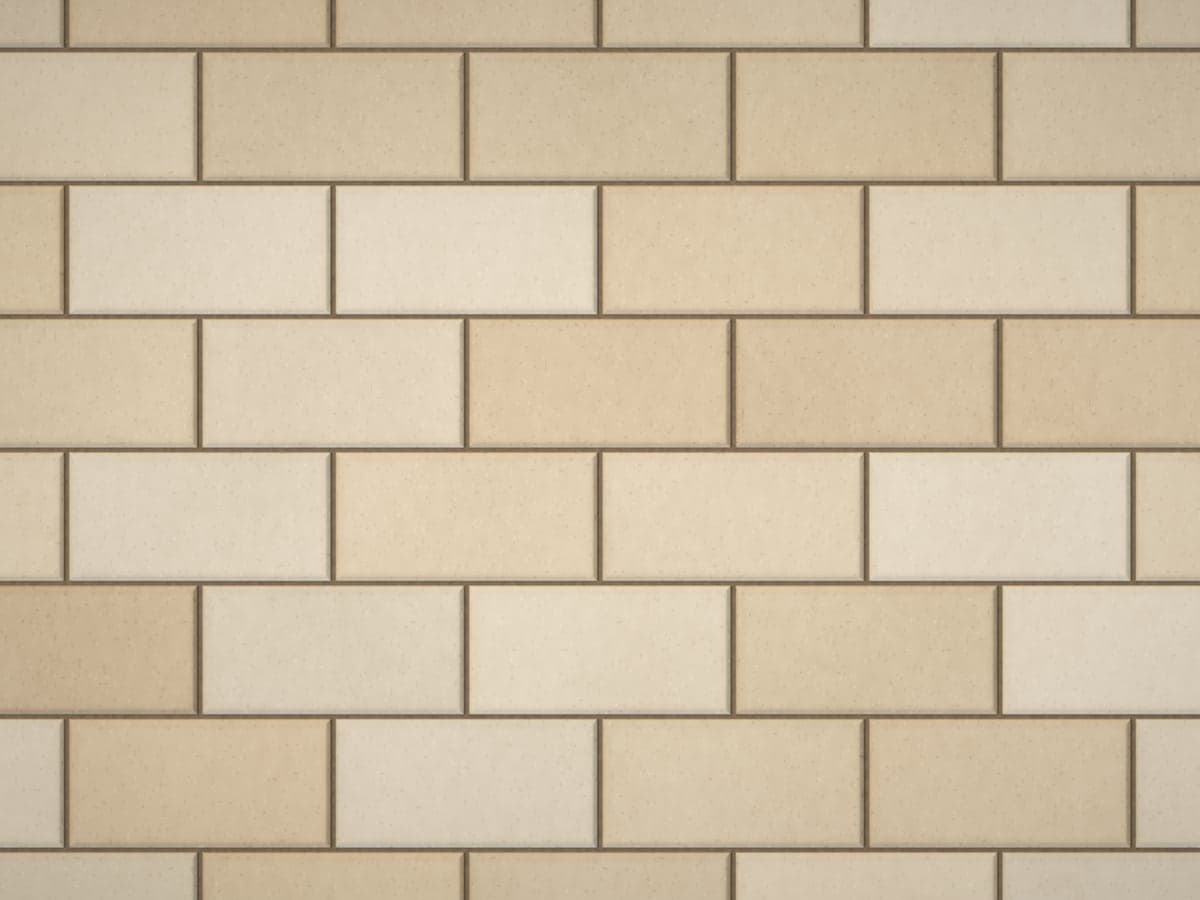
Pavers with joint sand washed out, leaving dark, open joints.Material study
Material study illustrating open joints after sand has washed out — material study; confirm colors with physical samples.

Joint sand loss leaves pavers free to rock and invites weeds and ants. Refilling joints — with regular or polymeric sand, installed as the manufacturer directs — restores the interlock.
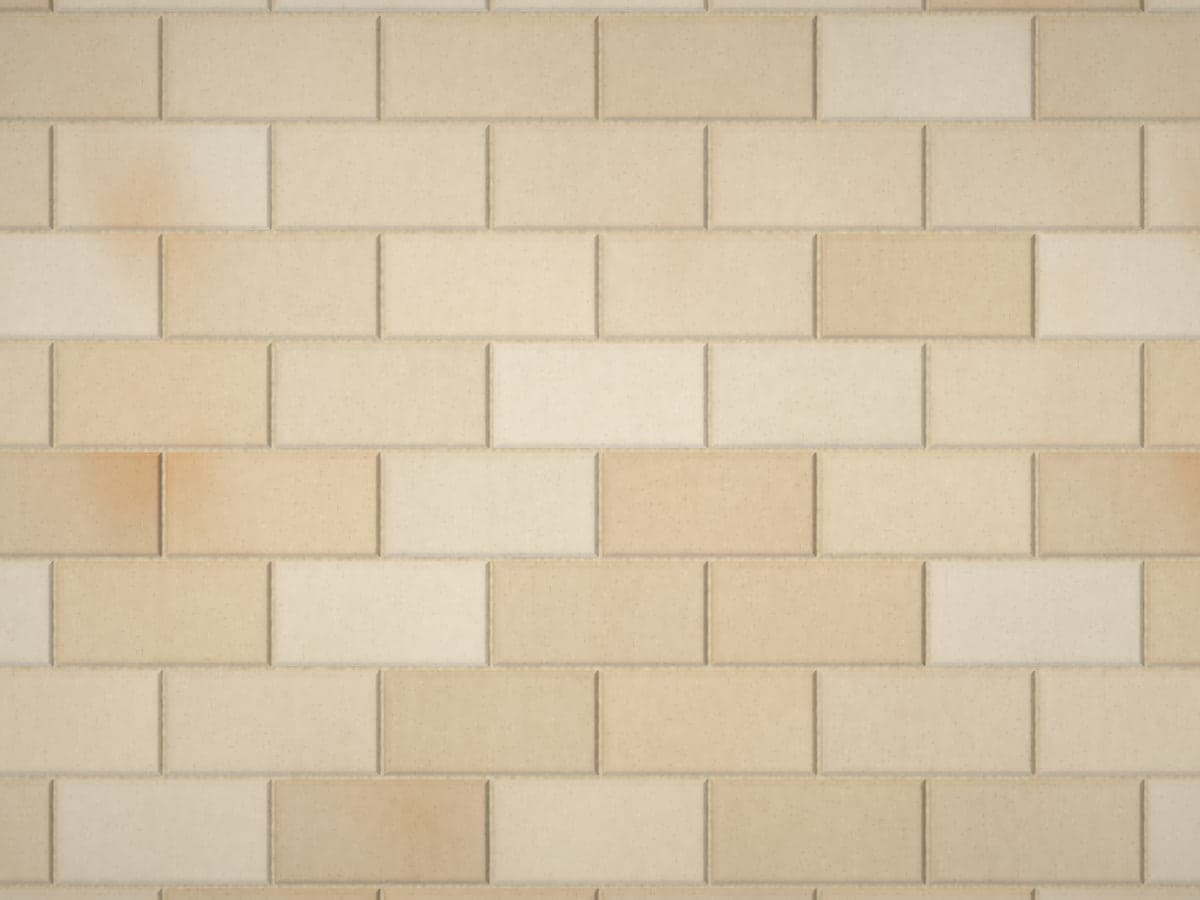
Light pavers with orange rust-colored staining in curved patches.Material study
Material study illustrating orange rust staining — material study; confirm colors with physical samples.

Rust staining in curved patches is common in Central Florida where irrigation water carries dissolved iron, often from wells. Stain-specific cleaners can help, and adjusting sprinkler heads or treating the water keeps it from returning.

Lift, correct, and reset

When an area has settled, the pavers are carefully removed and stacked, the base is corrected and re-compacted, and the same pavers are reinstalled, then re-sanded and compacted. Reusing the original pavers keeps color and wear consistent. Broken units can be replaced, but exact matches aren't always possible when a product has been discontinued or older pavers have weathered — we'll tell you before the work starts if that's likely.

If settling keeps coming back, the cause is often water: a downspout discharging at the edge, a low spot, or a slope running the wrong way. Those problems may need their own scope. See the drainage guide.

Cleaning and sealing

Cleaning should match the surface and the stain: the right detergent or specialty cleaner, and pressure that removes dirt without scarring the pavers or blowing out every joint. Joints are usually refilled after cleaning.
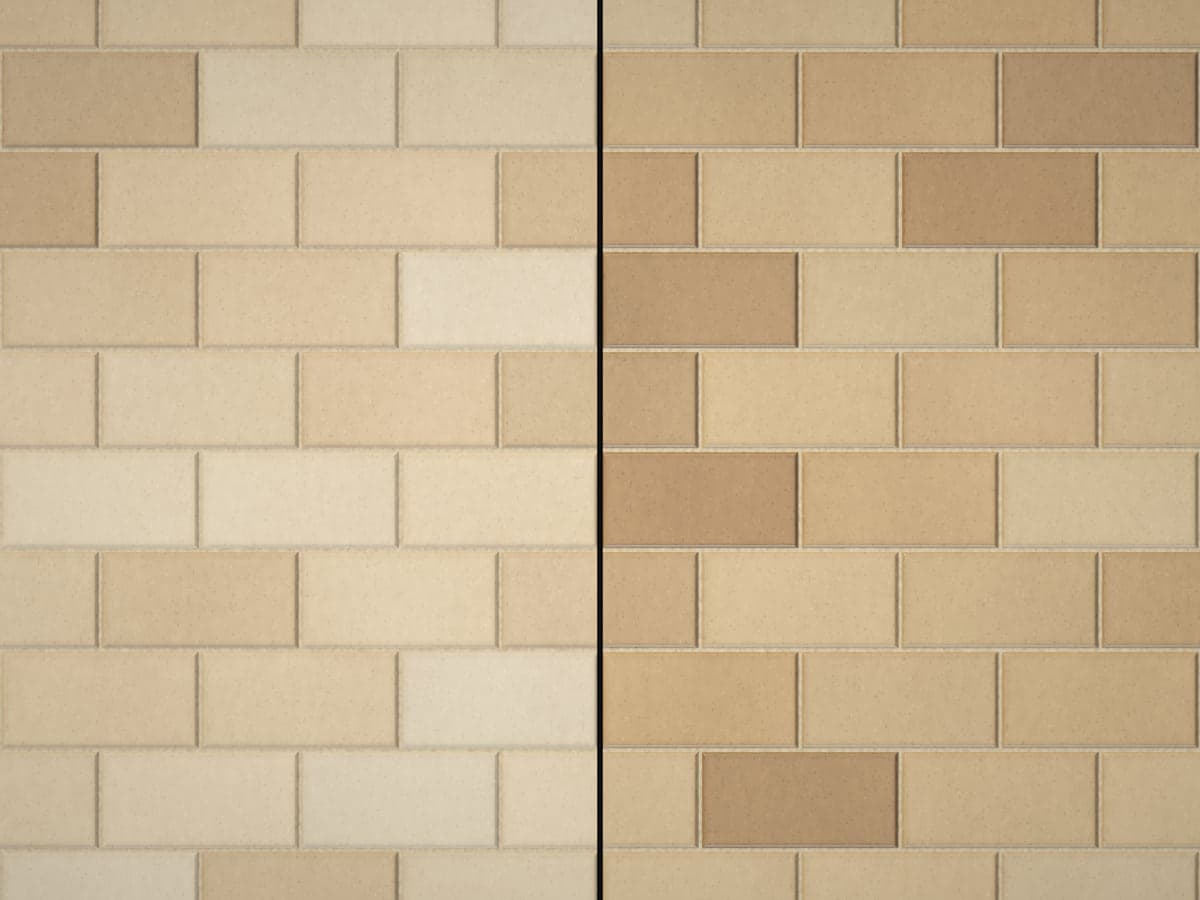
The same pavers side by side: unsealed on the left, with a wet-look sealer on the right.Material study
Material study: the same pavers unsealed (left) and with a wet-look sealer (right) — material study; confirm colors with physical samples.

Sealing is optional. A sealer can deepen color, make cleaning easier, and help stabilize joint sand. It also adds upkeep, and results depend on the product:

  • Finish. Natural or matte sealers change the look very little; wet-look sealers darken and add sheen.
  • Traction. Some sealers make surfaces slicker when wet — an important question around pools.
  • Timing. New concrete pavers are usually given time to cure, and efflorescence to fade, before sealing.
  • Upkeep. Many sealers need reapplication every few years, and failing film-forming sealers may need to be stripped before resealing.

What restoration can't do

Restoration improves most surfaces, but it has limits. It can't make a base that was built too thin behave like a new one everywhere, it can't guarantee color matches for discontinued products, and sealing won't fix settling or drainage problems. When a surface has widespread base failure, rebuilding may be the better value — and we'll say so.

What affects the cost

  • The area involved and how much needs lifting and resetting
  • Base repair and any drainage corrections
  • Replacement pavers
  • Type of stains and cleaning needed
  • Stripping an old sealer, and the sealer chosen
  • Access, furniture moving, and working around pools or landscaping

Next step

Photos help: a wide shot of the area, close-ups of the problem spots, and — if you can — a picture after a heavy rain. Then request a consultation.
Material studies

Surfaces to consider

Compare materials →
  • The same pavers side by side: unsealed on the left, with a wet-look sealer on the right.

    The same pavers side by side: unsealed on the left, with a wet-look sealer on the right.

  • Charcoal pavers with patches of white efflorescence haze.

    Charcoal pavers with patches of white efflorescence haze.

  • Pavers with dark organic growth concentrated along the joints and edges.

    Pavers with dark organic growth concentrated along the joints and edges.

  • Pavers with joint sand washed out, leaving dark, open joints.

    Pavers with joint sand washed out, leaving dark, open joints.

Material studies are approximate. Always choose from physical samples.

Questions

Repair & restoration: common questions

More FAQs →

How often should pavers be sealed?

It depends on the sealer, the paver, sun exposure, and traffic. Many sealers are reapplied every few years. Some homeowners never seal and simply clean and re-sand as needed — sealing is optional.

Will sealing stop weeds and ants?

Joint-stabilizing sealers can help hold joint sand in place, which discourages weeds and ants, but no sealer guarantees it. Full, well-installed joints matter most.

My old sealer turned white or cloudy. Can that be fixed?

Sometimes. Cloudiness, often called blushing, usually comes from moisture trapped in or under the sealer. Some cases can be corrected; others require stripping the old sealer, which adds labor.

Can pressure washing damage pavers?

It can. Too much pressure or the wrong nozzle can scar the surface and blast out joint sand. Cleaning should match the paver and the stain, and joints are usually refilled afterward.

Keep planning

  • Modest paver patio with a terracotta border outside a sliding door, with two lounge chairs, a small bistro table, and a white vinyl privacy fence.Illustrative rendering

    Service

    Paver patios & outdoor seating areas

    New patios, patio extensions, and seating areas — sized for how you'll use them and built on a base that drains.

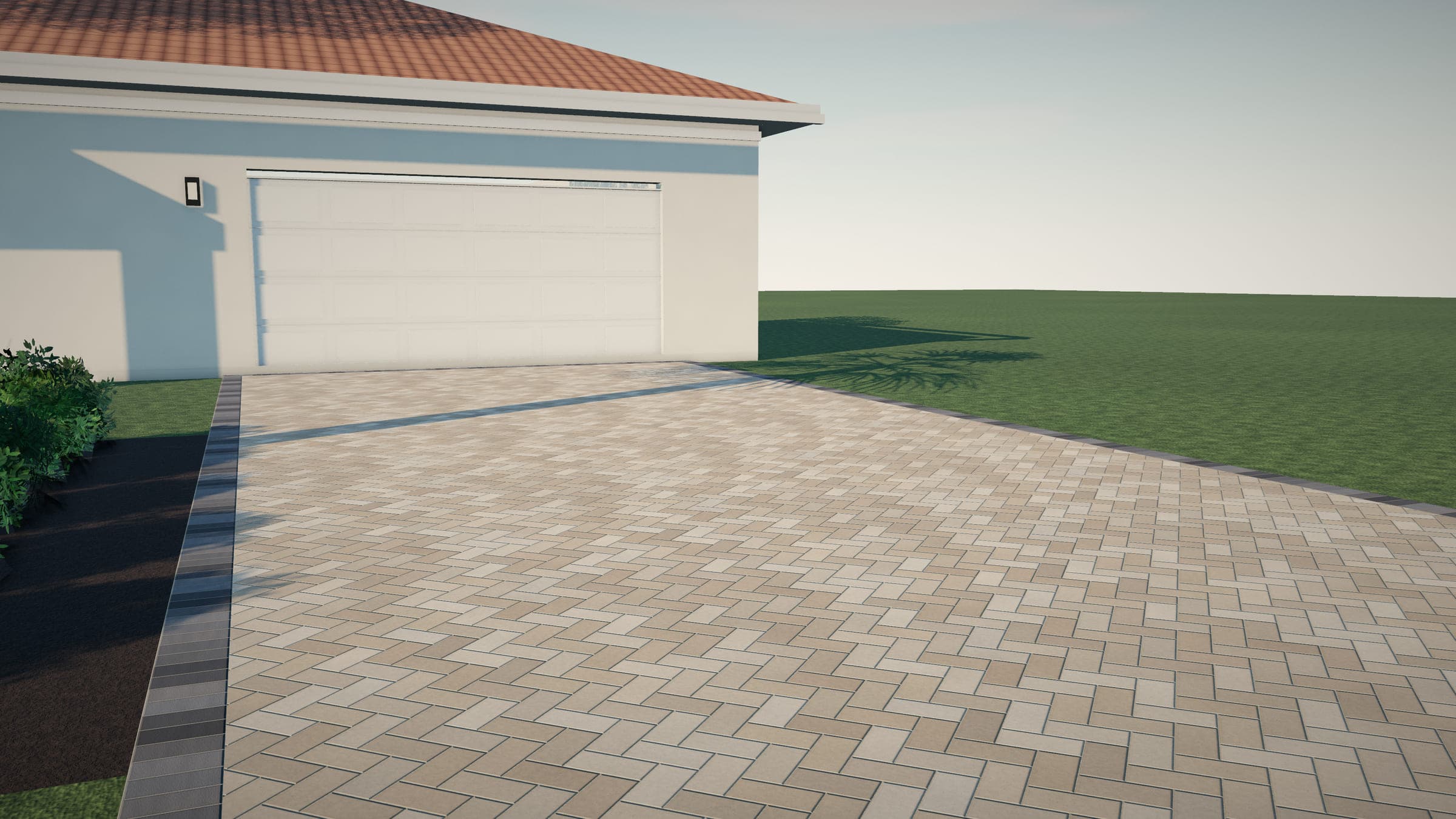
  • View up a 45-degree herringbone paver driveway with a charcoal soldier-course border toward a two-car garage.Illustrative rendering

    Service

    Paver driveways

    New paver driveways and driveway replacements, including borders, the apron, and a matching front walk.

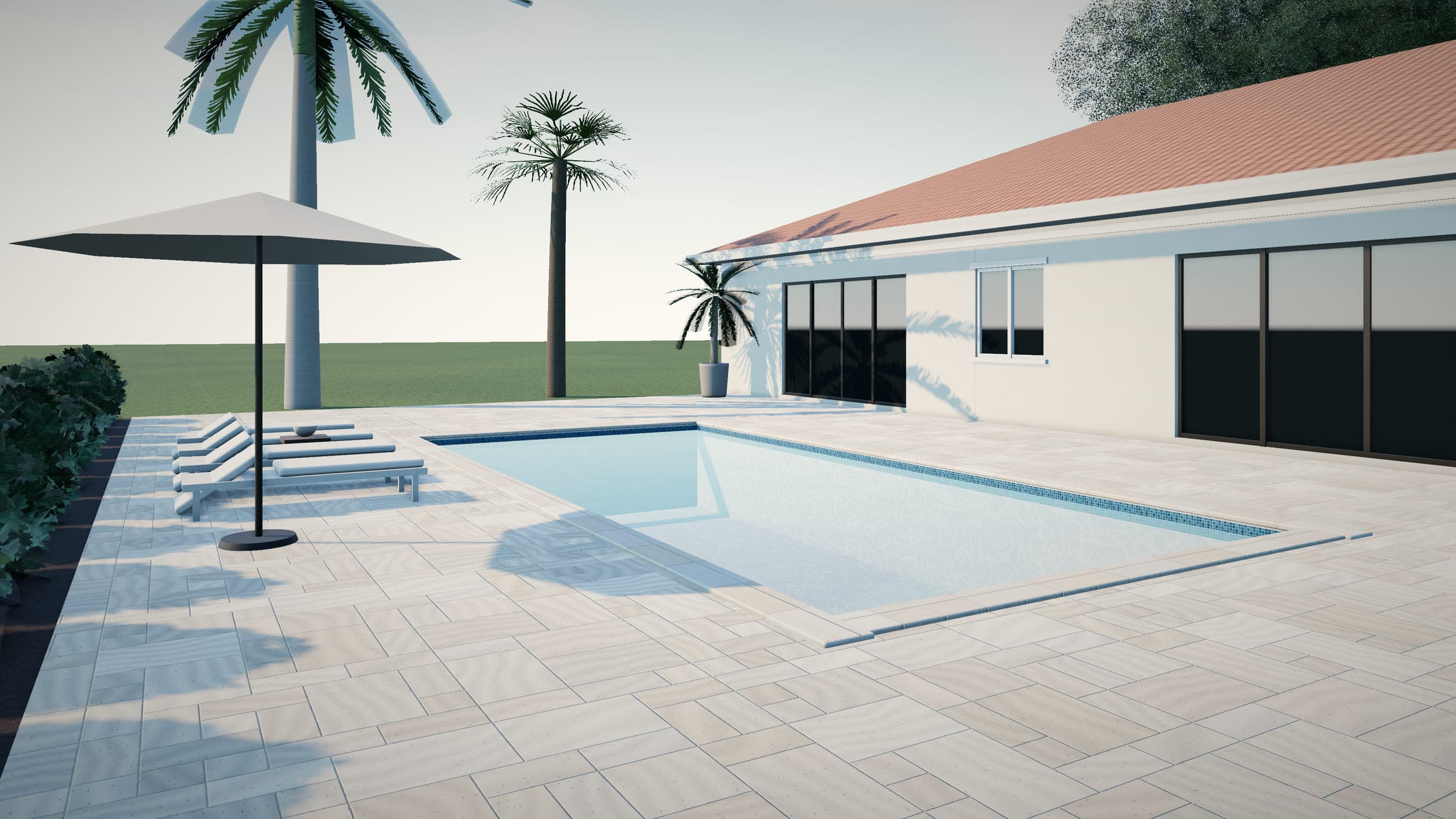
  • Rectangular pool surrounded by an ivory travertine deck laid in a French pattern, with lounge chairs and a market umbrella.Illustrative rendering

    Service

    Pool-deck pavers & surface upgrades

    New surfaces around existing pools — pavers, travertine, shellstone, or porcelain — with drainage and coping coordinated.

Request a consultation

Plan your repair & restoration project

Share a few details and we’ll follow up to talk through your space, your goals, and the next step. Only four fields are required.

  • A conversation first — no obligation and no pressure.
  • Help with materials, layout, drainage, and what fits your budget range.
  • A written scope you can compare with other proposals.

Planning more than one? Pick the main one and mention the rest in notes.

Demo mode: nothing you enter is sent or stored. We use these details only to respond to your request. Submitting doesn’t book a visit — we’ll contact you to talk it through. See our privacy notice.

Website concept

Calling isn’t connected yet

Palm & Stone Outdoor Living is a demonstration brand. This site is a working concept, and no active service business is taking requests through it yet — so this button doesn’t contact anyone.

When the site goes live with real contact details, this button will call the business.